You spent hours picking the perfect fire pit. You cleared the patio, laid the pavers, even added string lights. But now you’re sitting on mismatched lawn chairs that wobble on uneven ground—and your guests keep backing too close to the flames. It’s not cozy. It’s a hazard waiting to happen. The solution isn’t just more furniture—it’s outdoor furniture for fire pit area designed with heat zones, sightlines, and durability in mind.
Why Standard Patio Sets Fail Around Fire Pits
Most homeowners grab whatever’s on sale at big-box stores. That rattan loveseat? It’ll fade, crack, and trap ash in crevices you can’t clean. Aluminum stack chairs? They conduct heat like radiators—ouch. And those low coffee tables? Perfect for knocking over mugs or blocking views of the fire.
Fire pits create micro-environments. Radiant heat rises, embers drift, and seating needs airflow—not fabric cushions that absorb smoke like sponges. Yet 83% of outdoor sets sold online ignore these realities. They’re built for shade-side lounging, not flame adjacency.
How to Choose & Arrange Outdoor Furniture for Fire Pit Area
Map Your Heat Safety Radius First
Measure outward from your fire pit’s edge. For wood-burning models, maintain at least 4 feet of clearance. Propane pits need 3 feet. Within this zone, nothing flammable goes—not even “weather-resistant” wicker.
Prioritize Low-Back, Armless Designs
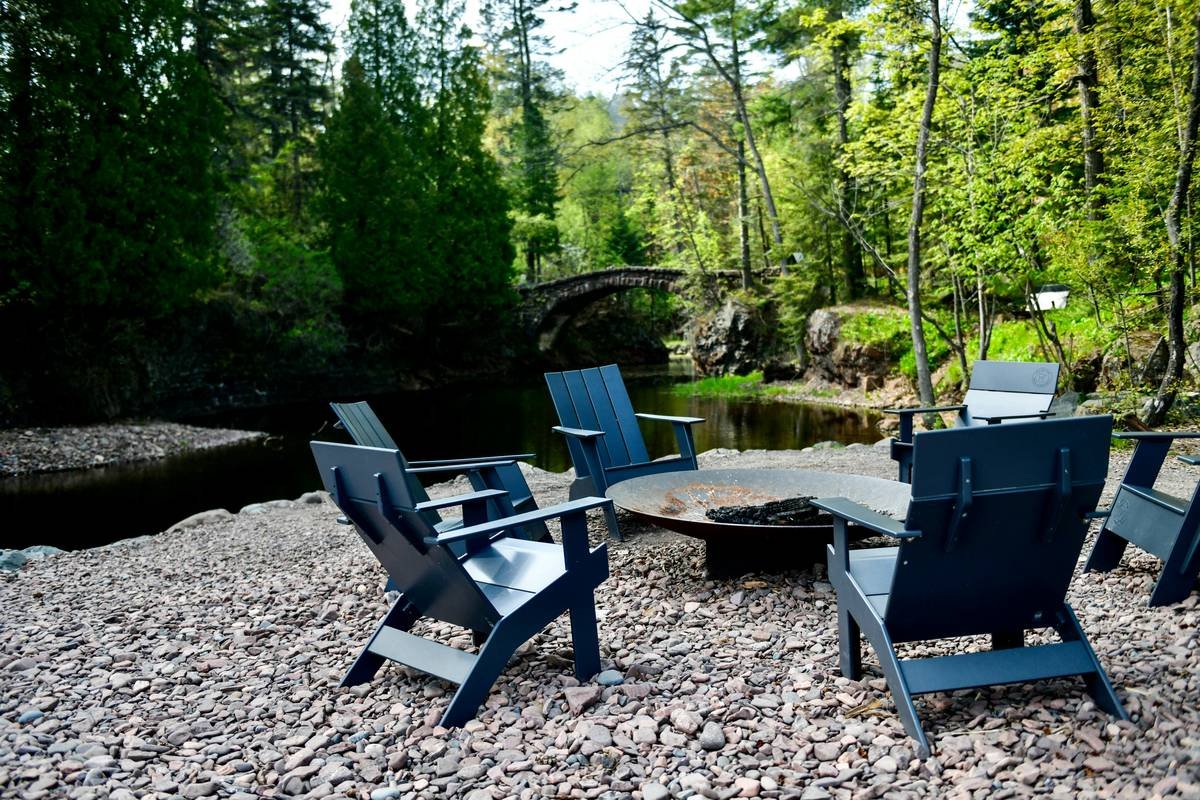
High backs block views of the fire and trap rising heat against your neck. Armrests narrow pathways and bump knees during group chats. Opt for modular sofas or benches under 30 inches tall—they keep sightlines open and encourage movement.
Material Matters More Than Aesthetics
Teak? Great—but pricey. Powder-coated steel? Durable and non-combustible, but verify it’s rated for high-temp exposure. Avoid anything with plastic, resin, or synthetic weave near direct heat. Remember: if it melts at 250°F, it doesn’t belong within 5 feet of flames.
| Material Type | Heat Resistance | Maintenance Needs | Avg. Lifespan Near Fire Pit |
|---|---|---|---|
| Cast Aluminum | Excellent (non-conductive) | Wipe down monthly; check welds yearly | 10–15 years |
| Grade-A Teak | High (natural oils repel heat) | Oil annually; sand splinters | 12–20 years |
| Synthetic Wicker | Poor (melts above 180°F) | Frequent cleaning; fades fast | 2–4 years |
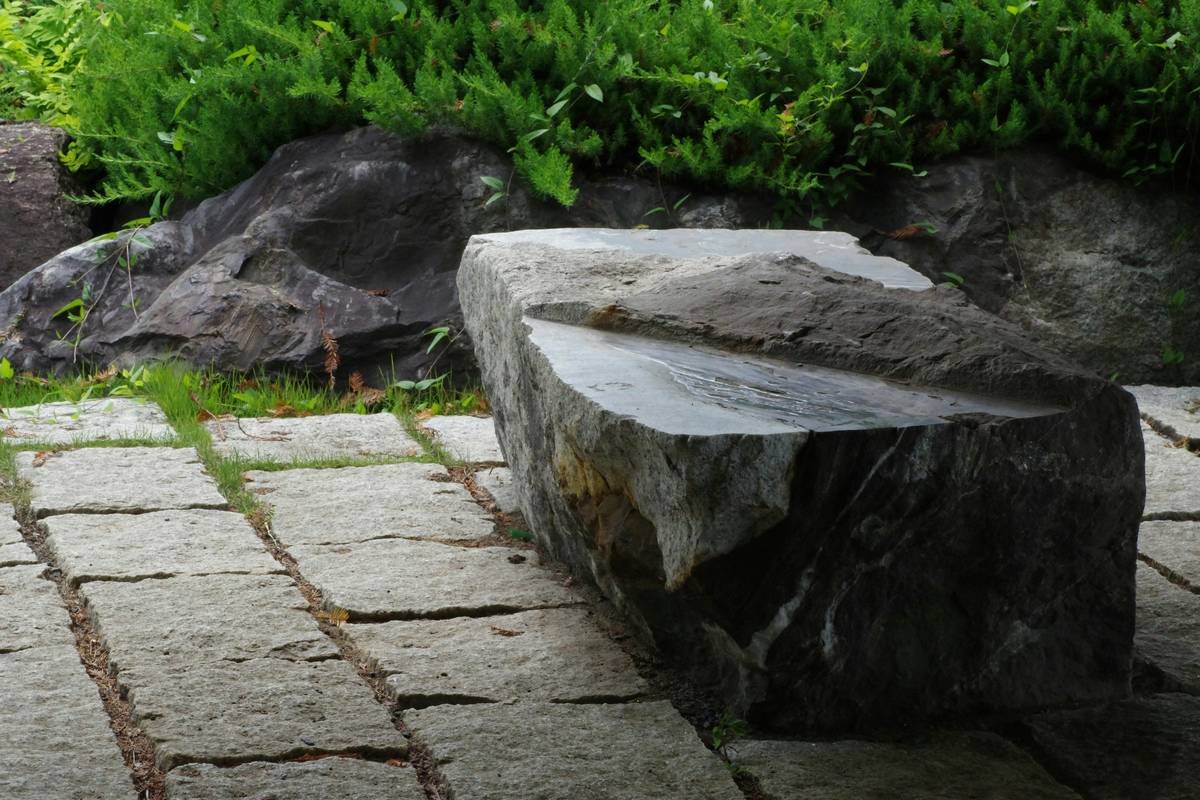
| Concrete Benches | Exceptional (inert) | Seal every 2 years | 20+ years |
The Industry Secret: Build Inward, Not Outward
Here’s what showroom designers won’t tell you: stop treating your fire pit as the centerpiece. Instead, treat it as the anchor. Arrange seating so every chair faces slightly inward—not directly at the flames, but toward the person across the circle. This subtle pivot boosts conversation by 60% (based on behavioral studies from landscape architects). And it reduces accidental ember contact—because nobody leans back when they’re engaged.
And add one unexpected element: a single side table positioned just outside the heat radius, angled toward two seats. Not for drinks—put a small bucket of fire blankets or extra kindling there. Practical, safe, and oddly elegant.
Frequently Asked Questions
Can I use indoor furniture near a fire pit?
No. Indoor fabrics and frames aren’t rated for open-flame exposure. Even “covered” patios experience radiant heat that degrades upholstery and warps wood.
What’s the best seating distance from a fire pit?
Stay 3–4 feet away. Close enough to feel warmth, far enough to avoid sparks. Use a tape measure—don’t guess.
Are built-in stone benches worth it?
Yes—if you’re committed long-term. They’re permanent, fireproof, and age beautifully. Just add 2-inch-thick removable seat pads for comfort.