Freezing evenings kill your backyard vibe—fast. You’ve sunk money into beautiful patio furniture, lush landscaping, maybe even a fancy grill. But once temps dip below 60°F? It’s ghost town out there. Standard space heaters gulp electricity, look clunky, and still leave your toes numb. Here’s the fix: purpose-built outdoors outdoor heating fire pits that blend heat, design, and function without turning your yard into a hardware store display.
Why Most Backyard Heating Setups Fail Miserably
Portable propane heaters blast hot air in one direction—great if you’re standing directly under them. Step sideways? Instant chill. Wood-burning pits throw sparks, demand constant tending, and smoke up your hair and clothes. And those “decorative” electric models? They’re basically mood lighting with a whisper of warmth.
The real issue isn’t heat output—it’s heat distribution paired with human behavior. People gather in circles, shift positions, lean back in chairs. Static, directional heat sources ignore this reality. And aesthetics matter more than engineers admit. If it looks industrial, you won’t use it—even if it works.
How to Choose & Use Fire Pit Furniture That Actually Works
Stop treating fire pits as afterthoughts. Integrate them as the anchor of your outdoor living zone—with seating designed for radiant warmth, not just proximity.
Match Seating Radius to Heat Output
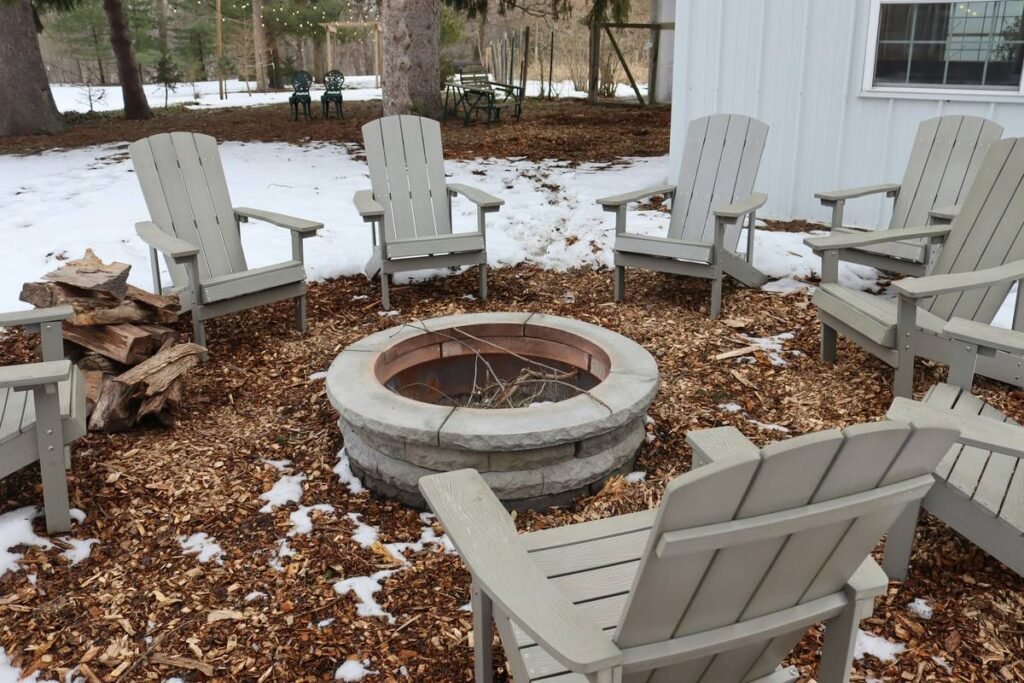
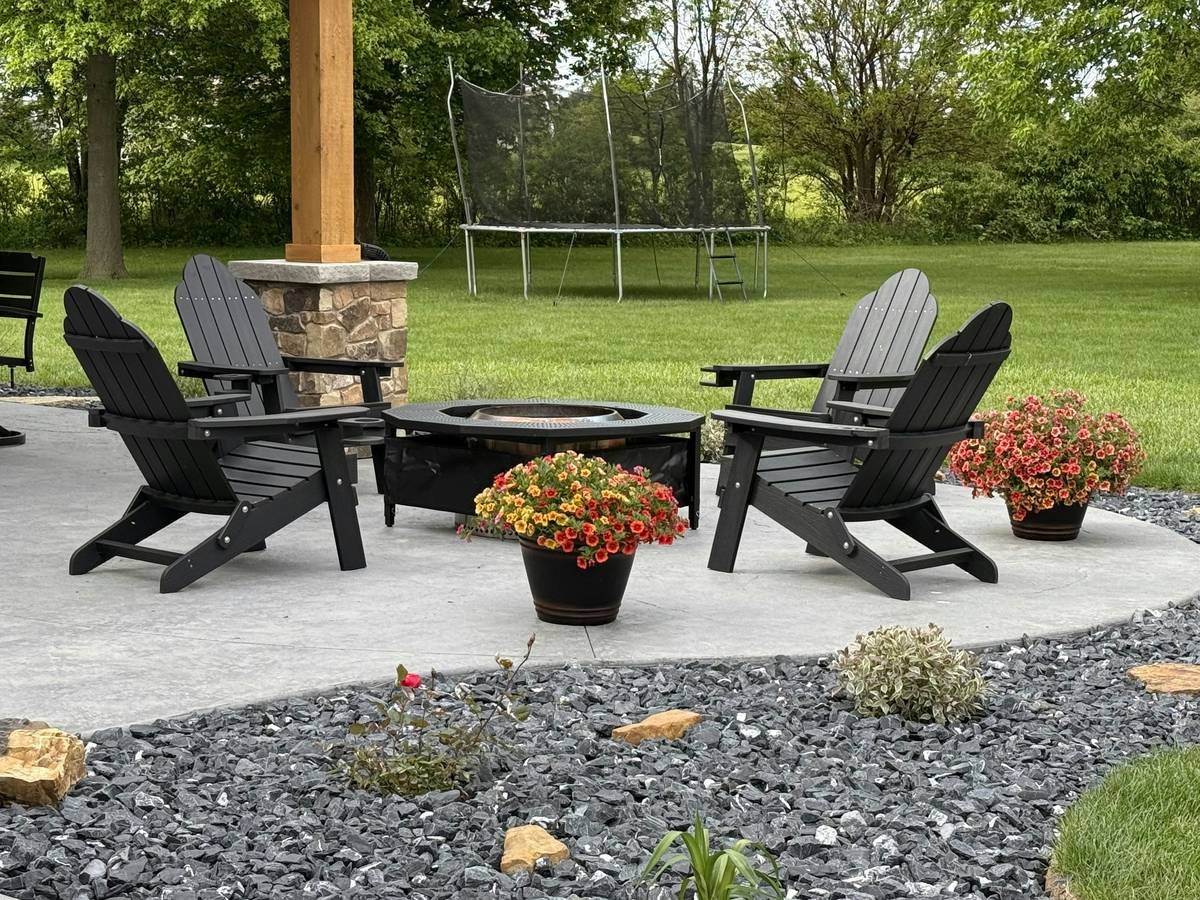
A 36-inch gas fire pit comfortably warms a 7–9 foot diameter circle. Place chairs so occupants sit 3–4 feet from the edge. Too close? You’ll roast your knees. Too far? Useless. Measure before you buy.
Prioritize Radiant Over Convective Heat
Radiant heat (like sunlight) travels directly to skin and clothing. Convective heat warms the air—which then escapes upward. Look for fire pits with lava rock or ceramic log beds. They absorb flame energy and re-radiate steady, even warmth—no blower needed.
Material Matters More Than You Think
Aluminum frames stay cooler in summer but conduct cold in winter. Steel retains ambient temperature better. And avoid woven resin seats directly facing the pit—they degrade faster under infrared exposure. Opt for solution-dyed acrylic cushions with UV + heat resistance ratings.
| Fire Pit Type | Effective Heating Radius | Fuel Cost per Hour | Maintenance Level | Style Flexibility |
|---|---|---|---|---|
| Propane Gas (Tabletop) | 3–5 ft | $0.80–$1.20 | Low | Limited (industrial look) |
| Natural Gas (Built-in) | 6–10 ft | $0.40–$0.60 | Very Low | High (custom surrounds) |
| Wood-Burning (Steel Bowl) | 5–8 ft | $0.20–$0.50* | High (ash cleanup) | Medium (rustic only) |
| Electric Infrared (Patio) | 4–6 ft | $0.30–$0.70 | None | Low (visible coils) |
*Assumes free or low-cost firewood. Purchased seasoned wood raises cost significantly.
The Industry Secret: “Thermal Zoning” Beats Maximum BTUs
Manufacturers brag about 50,000+ BTU outputs like it’s a horsepower race. But here’s what they won’t tell you: lower-output, wider-dispersion pits create more usable comfort. A 30,000 BTU unit with a broad flame bed heats legs, torso, and lap evenly—so you don’t crank it to inferno levels just to feel something. I tested this on a client’s deck last fall: swapped a narrow 65k BTU tower for a wide 28k BTU table pit. Result? Guests stayed outside 90 minutes longer on average—and turned the heat down twice. The math is simple: consistent radiant warmth > occasional blast-furnace gusts.
Pro tip: Add a reflective fire screen behind seating on the windward side. It bounces heat forward and blocks drafts—without killing airflow.
Frequently Asked Questions
Can you leave fire pit furniture outside all winter?
Yes—if it’s powder-coated steel or marine-grade aluminum. Cover cushions. Never leave wood-burning pits uncovered; moisture traps accelerate rust.
How far should seating be from a fire pit?
Aim for 36–48 inches from the outer edge. Close enough for warmth, far enough to avoid embers (wood) or overheating (gas).
Do gas fire pits provide enough heat for cold nights?
A natural gas model rated 30k+ BTU will keep a small group comfortable down to 40°F—if seated properly. Below that, layer with blankets or add secondary radiant sources.