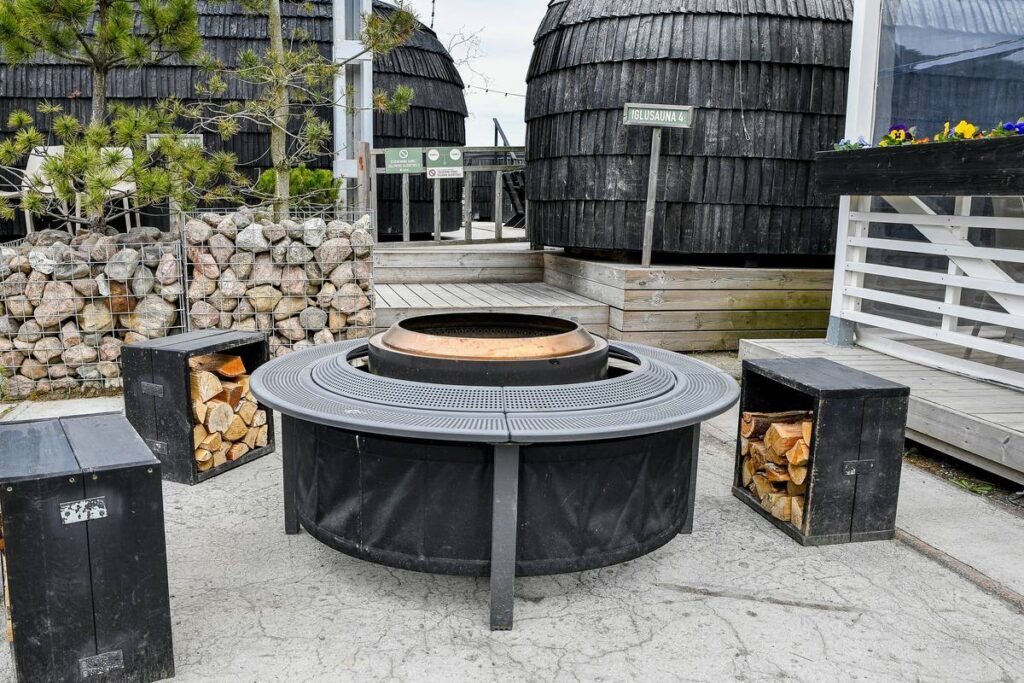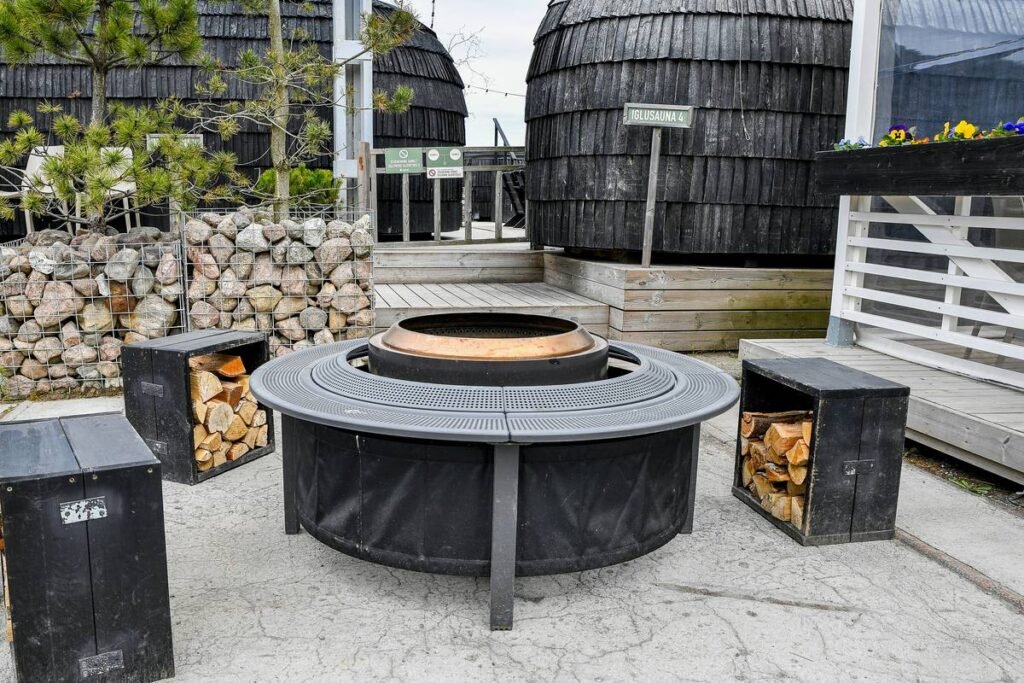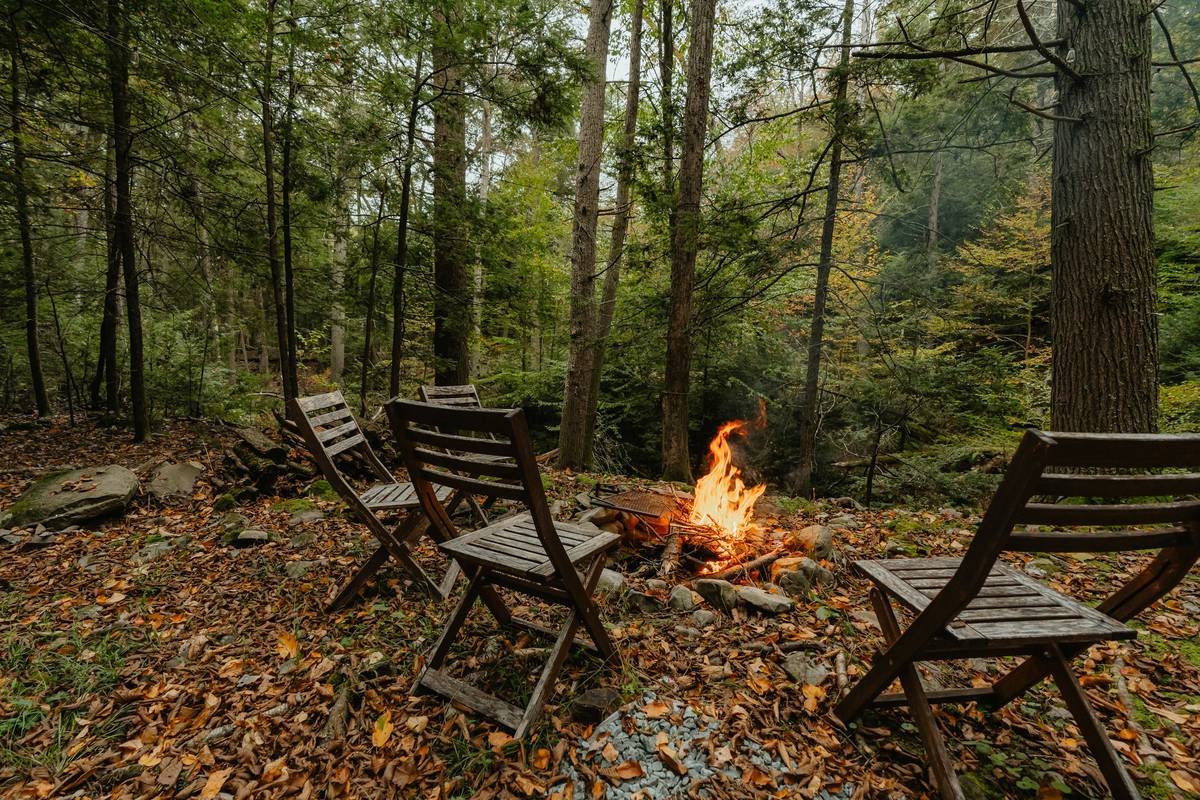
You bought the fire pit. You cleared the space. Then—nothing. Just a sad metal ring surrounded by lawn chairs that tip over in a breeze. The dream of cozy evenings under the stars feels miles away. Here’s the fix: a purpose-built outdoor fire pit area diy that blends safety, comfort, and style—without breaking the bank or your back.
Why Most DIY Fire Pit Setups Fail Within a Year
They skip the foundation. Literally. People plop patio stones on grass, toss down cheap resin wicker, and call it done. Rain turns the ground to mud. Heat cracks thin concrete pavers. Wind sends lightweight stools flying into the flames. And forget entertaining—nobody wants to hover 10 feet away just to stay safe.
The core issue? Treating seating as an afterthought. Your fire pit isn’t just a heat source—it’s the anchor of an outdoor room. Ignore ergonomics, drainage, or material durability, and you’ll be rebuilding by next spring.
Build Your Outdoor Fire Pit Area DIY: A No-Nonsense Blueprint
Forget Pinterest-perfect illusions. This system prioritizes function first, then aesthetics. Start with layout, lock in materials, then layer comfort.
Step 1: Map Your Safety Radius
Measure 7 feet from the center of your fire pit location. That’s your minimum zone. Anything combustible—wood, fabric, dry mulch—must stay outside this circle. Mark it with spray paint. This isn’t optional; it’s non-negotiable physics.
Step 2: Choose Seating Based on Real Use Cases
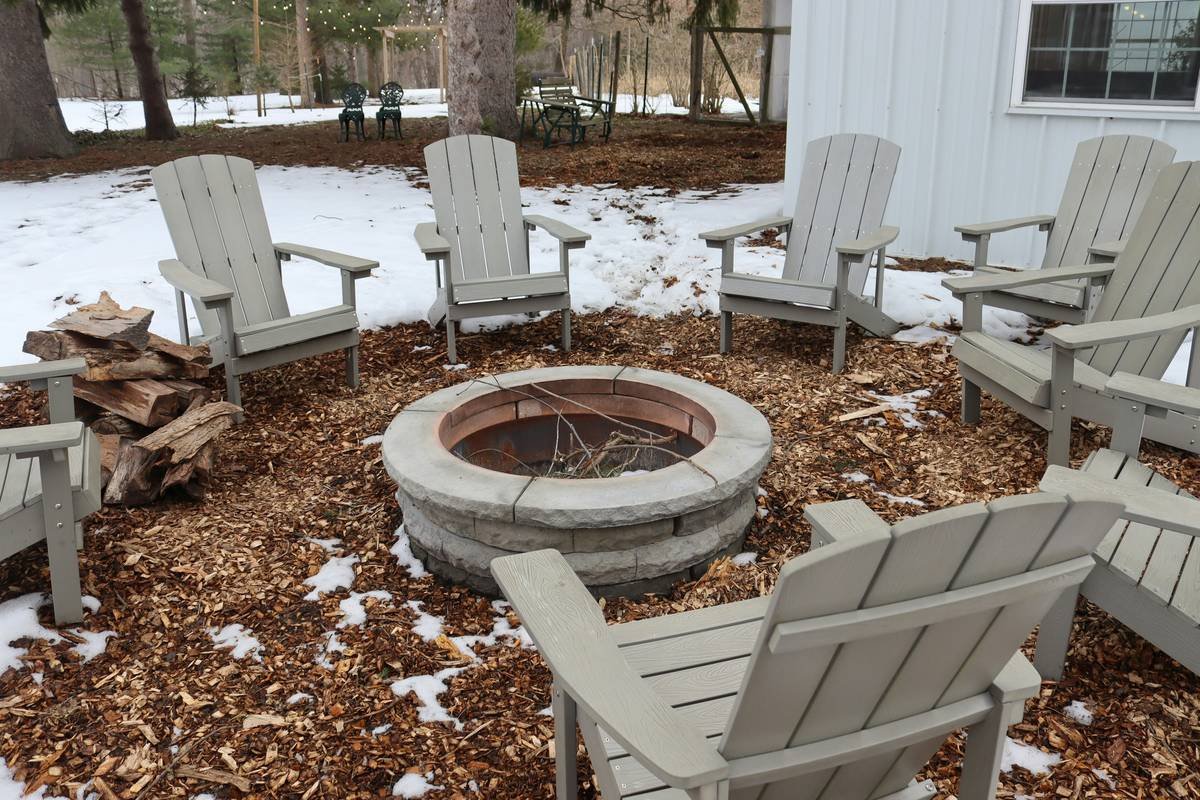
Are you hosting six people weekly? Or just two for quiet nights? Don’t default to benches. For small groups, curved modular sofas hug the heat. For larger crews, individual Adirondack chairs offer flexibility. And always—always—elevate legs off damp ground.
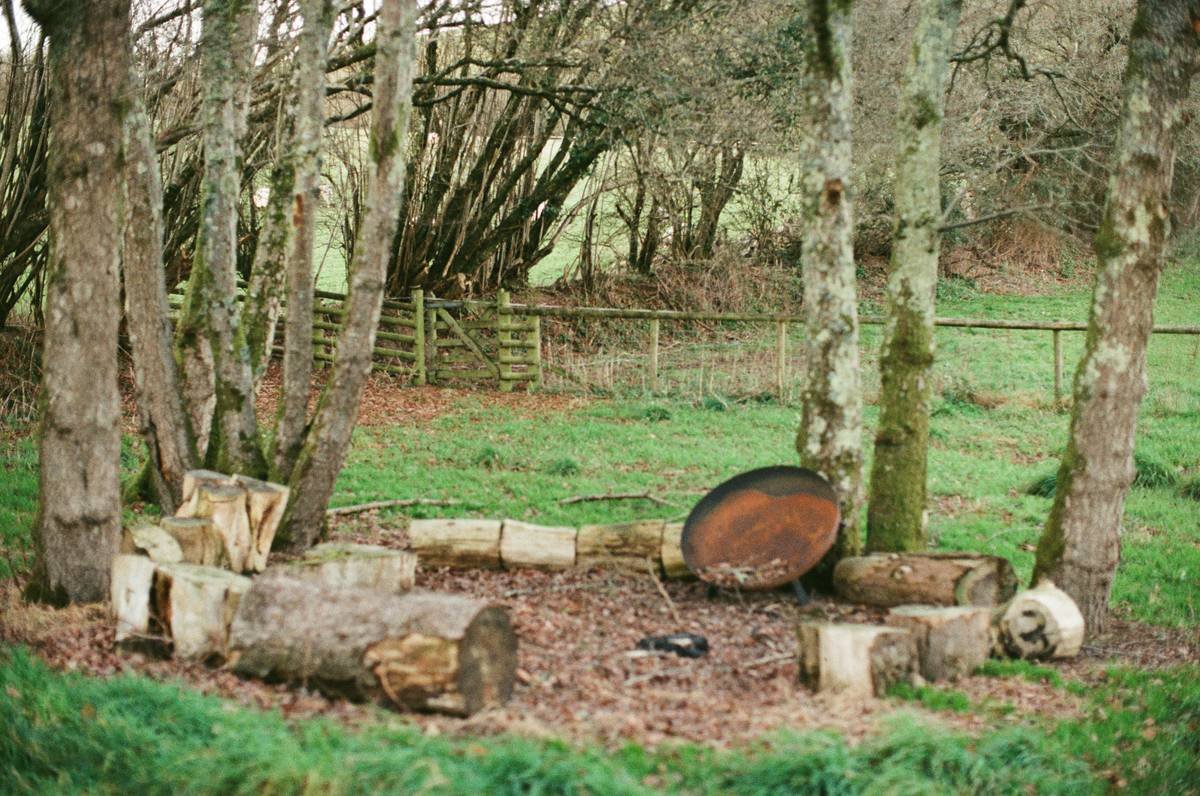
Step 3: Build a Base That Won’t Wash Away
Scrap gravel? Sure—if you love weeding between rocks. Instead, compacted decomposed granite (DG) with a permeable paver grid underneath gives firm footing, drains instantly, and won’t shift. Lay landscape fabric first. Skip it, and weeds win.
Cost vs. Longevity Comparison
| Foundation Option | Upfront Cost (10×10 ft) | Lifespan (Years) | Maintenance Level |
|---|---|---|---|
| Loose Mulch/Gravel | $50–$100 | 1–2 | High (raking, replenishing) |
| Concrete Pavers on Sand | $300–$600 | 5–8 | Medium (settling, weed growth) |
| Decomposed Granite + Grid System | $400–$700 | 10+ | Low (occasional regrading) |
| Poured Concrete Pad | $1,200+ | 20+ | Very Low |
Step 4: Anchor Seating Without Digging Footings
No, you don’t need concrete footings for every stool. Use heavy-duty powder-coated steel bases filled with sand. Or embed 4×4 pressure-treated posts just 6 inches deep (below frost line in most zones), mount brackets, and bolt benches directly. Stability without excavation.
The Industry Secret: Thermal Zoning Separates Amateurs from Pros
Here’s what landscape contractors won’t tell you: not all seats should be equidistant from the fire. Create thermal zones. Place two primary seats 4–5 feet out—close enough for warmth on cool nights. Add secondary chairs at 7+ feet for summer use or overflow. Use low planters or fire-resistant screens to subtly define these rings. Your guests self-select their comfort level. Bonus: it prevents singed sweaters and melted plastic cups. And yes—we’ve seen both happen on “finished” patios.
Frequently Asked Questions
What’s the safest distance for seating around a fire pit?
Keep seating at least 7 feet from the fire’s center. Less than that risks radiant heat damage to fabrics and skin during prolonged exposure.
Can I use regular patio furniture near a fire pit?
Only if it’s rated for high-heat zones. Standard resin wicker melts. Opt for metal, teak, or all-weather wicker labeled “fire-resistant.” When in doubt, test with a heat lamp first.
Do I need a permit for a DIY fire pit area?
Check local codes—many cities require permits for permanent structures within 10 feet of a dwelling or property line. Temporary setups (like portable pits on DG) often fly under the radar, but verify first.