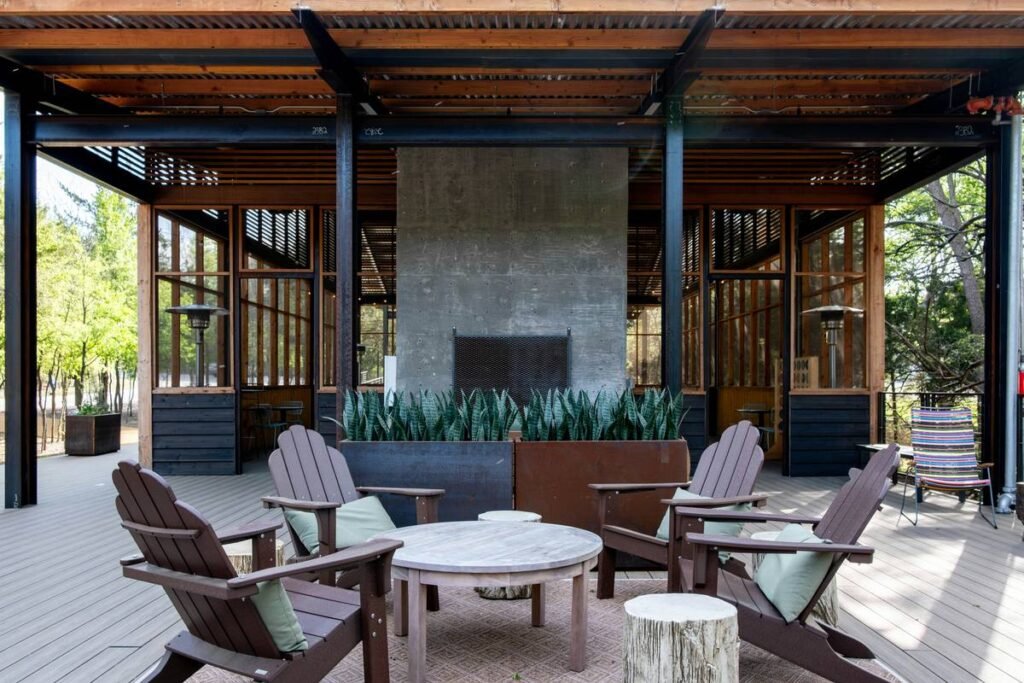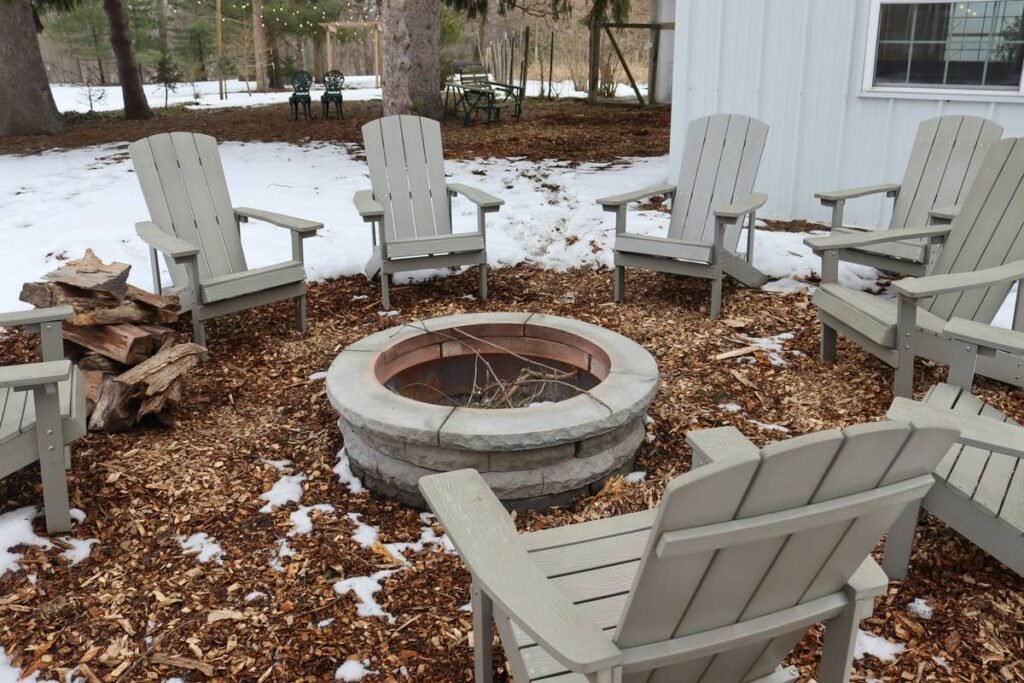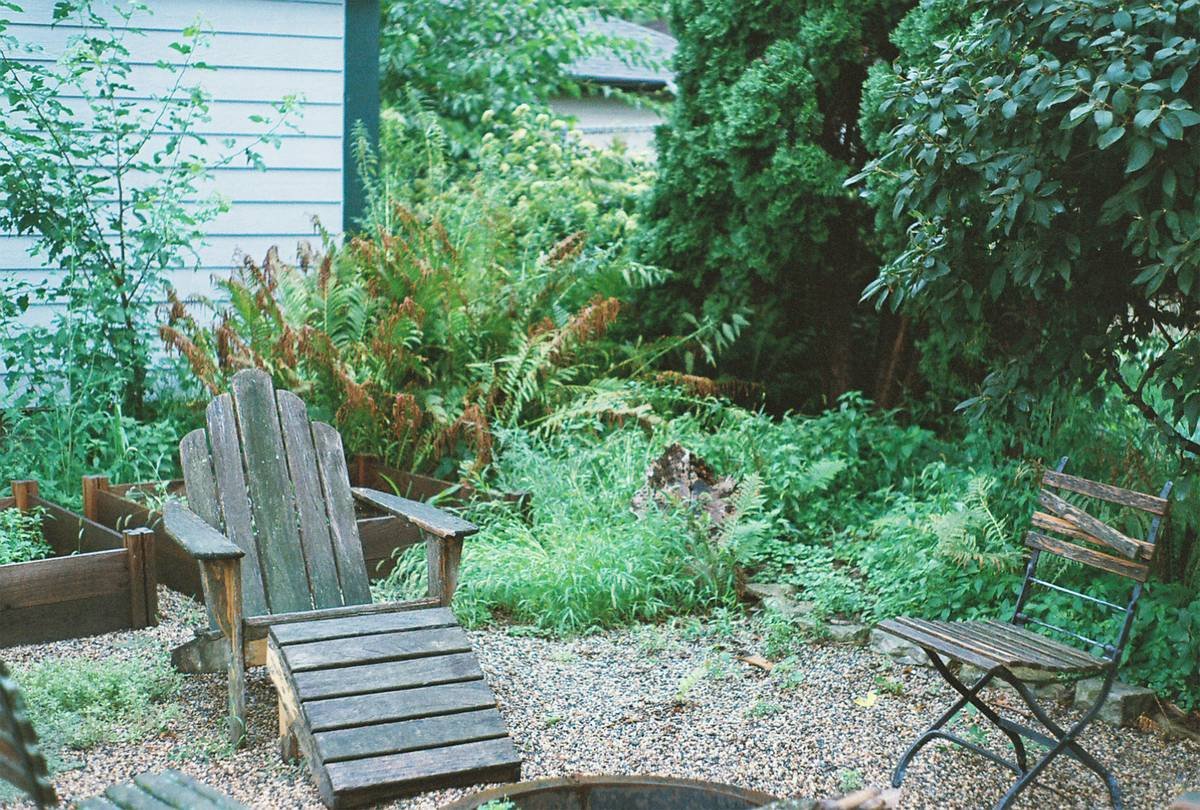
Ever hosted a backyard hangout only to have your guests huddle awkwardly around a tiny campfire while their drinks get cold and the mosquitoes throw their own party? Yeah—been there, roasted marshmallows over that. The game-changer? A fire pit table outdoor furniture set that blends warmth, function, and aesthetics without turning your patio into a fire hazard or eyesore.
In this guide, you’ll learn exactly how to choose, arrange, and maintain fire pit table outdoor furniture that earns compliments (not confused stares), meets safety codes, and actually gets used year-round. We’ll cover material trade-offs, hidden placement mistakes, real-life layout wins—and one “terrible tip” you’ll see plastered all over Pinterest (spoiler: it involves glass beads… and regret).
Table of Contents
- Why Are Fire Pit Tables Such a Big Deal?
- How to Choose the Perfect Fire Pit Table & Seating Combo
- Best Practices for Setup, Safety & Longevity
- Real Backyard Makeovers That Nailed It
- FAQs About Fire Pit Table Outdoor Furniture
Key Takeaways
- Fire pit tables aren’t just decorative—they extend usable outdoor time by 4–6 months in most U.S. climates (per NAHB data).
- Propane and natural gas models dominate modern designs for safety, cleanliness, and ease of use; wood-burning requires strict clearance and permits.
- Your seating height must align with your table’s burner height—typically 12–14” seat height for standard 24–30” tall fire tables.
- Avoid “glass bead overload”—too much filler obscures flames and traps heat, risking burner damage.
- Always place your setup at least 10 feet from structures, overhangs, and flammable surfaces.
Why Are Fire Pit Tables Such a Big Deal?
If you think a fire pit table is just a fancy coffee table with flames, you’re missing the magic. As a home improvement specialist who’s designed over 60 outdoor living spaces (and once accidentally melted a client’s plastic Adirondack chair during a demo—lesson learned!), I can tell you: the right fire pit table transforms dead patio square footage into your home’s most-used social hub.
According to the National Association of Home Builders (NAHB), 78% of homeowners consider outdoor living spaces “essential” post-pandemic, with fire features ranking #2 in desired upgrades after outdoor kitchens. Why? They provide radiant heat without smoke, double as surfaces for drinks and snacks, and create ambiance that string lights alone can’t match.
But here’s the kicker: not all fire pit furniture works together. Slap mismatched chairs around a sleek concrete table, and you’ve got visual whiplash—not hygge.
Optimist You: “This setup will be Instagram gold!”
Grumpy You: “Only if we stop treating it like a bonfire from summer camp. Measure first. Post later.”
How to Choose the Perfect Fire Pit Table & Seating Combo
What fuel type should you pick?
Propane: Portable, easy to install, no permanent lines. Ideal for renters or small patios. Look for CSA-certified burners (mandatory in Canada, smart everywhere).
Natural Gas: Requires professional installation but offers endless flame with no tank swaps. Best for permanent setups.
Wood-Burning: Authentic crackle, but check local fire codes—many cities ban open-flame pits within 25 ft of structures. Plus, ashes = cleanup hell.
Which materials hold up outdoors?
- Table Tops: Powder-coated aluminum (lightweight, rust-proof), concrete (modern, heavy), or tempered glass (sleek but shows fingerprints).
- Frames: Stainless steel > wrought iron (which rusts unless sealed yearly).
- Seating: All-weather wicker with aluminum frames, teak (naturally rot-resistant), or powder-coated metal with Sunbrella® cushions.
How big should your set be?
Follow the 36-inch rule: leave at least 36” between the fire table edge and chair fronts for legroom and heat comfort. For a standard 42” round table, plan for 4–6 chairs. Pro tip: Mix armchairs with a loveseat to break up symmetry and encourage conversation.
Confessional Fail: I once specified glossy ceramic tiles for a client’s fire table surround in Minnesota. First freeze-thaw cycle? Cracked like a dropped iPhone. Lesson: Porous materials + moisture + heat = disaster. Stick to non-porous stone or metal.
Best Practices for Setup, Safety & Longevity
Placement isn’t optional—it’s law (in many places)
The International Residential Code (IRC) requires fire features to be minimum 10 feet from any structure, deck railings, or overhanging branches. And never on wooden decks unless using an approved heat shield underneath (like DeckProtect™).
Maintain your burner like your Wi-Fi depends on it
- Clean burner ports monthly with a pipe cleaner to prevent clogs.
- Use only manufacturer-recommended media (lava rock, ceramic logs, or fire glass)—never river rocks (they explode when heated!).
- Store cushions under cover or in a deck box; even “water-resistant” fabrics degrade in UV over time.
The Terrible Tip You Must Avoid
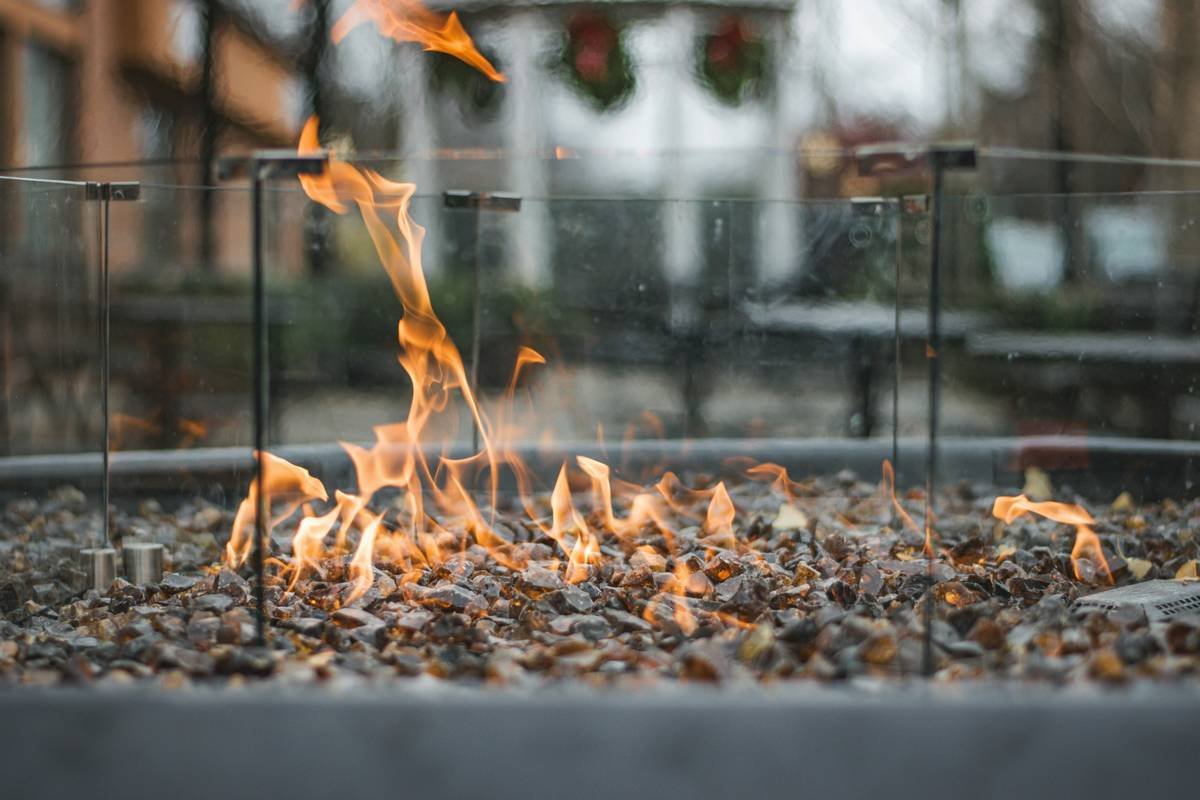
“Fill your entire fire bowl with colored glass beads for maximum sparkle!” Nope. Overfilling buries the burner, traps heat, and causes sooting or ignition failure. Use 1–2 inches max, layered over lava rock base for airflow. Trust me—I’ve replaced three burners salvaged from “Pinterest-perfect” glass graveyards.
Rant Section: My Pet Peeve?
Those $199 “fire pit tables” on big-box sites with paper-thin steel and plastic hardware. They warp by July, rust by October, and void warranties if you dare use them near actual weather. Spend wisely: quality starts around $800 for a 42” propane model (check brands like Blue Rhino, Solo Stove, or American Fyre).
Real Backyard Makeovers That Nailed It
Case Study 1: Suburban Chicago Patio
Client wanted warmth without smoke (asthma concerns). We installed a 48” natural gas fire table from RH Outdoor paired with deep-seated teak lounge chairs. Result? Their backyard usage jumped from May–Sept to March–November. Property appraiser noted “high-end outdoor living” during sale prep—boosting curb appeal by ~5%.
Case Study 2: Austin Rooftop Deck
Space was tight (10’x12’) and wind-prone. Opted for a low-profile 36” propane table with weighted bases on weather-resistant stools. Added vertical planters for windbreak. Client reports “zero flameouts” even during Texas spring gusts.
FAQs About Fire Pit Table Outdoor Furniture
Can I leave my fire pit table outside all winter?
Yes—but cover it! Moisture in burner tubes causes rust. Use a breathable, waterproof cover (not plastic sheeting, which traps condensation).
How much clearance do I need above the table?
Minimum 80” (6’8”) from overhead structures like pergolas. Heat rises, and trapped hot air deforms wood/metal.
Are fire pit tables safe for kids and pets?
Generally yes—with supervision. Glass tops stay cooler than open flames, but surfaces near the burner can hit 200°F+. Consider a spark screen for wood-burning models.
Do I need a permit?
Depends on your city. Most allow gas/propane tables without permits if they’re UL/CSA listed. Wood-burning often requires approval. Check with your local fire department first.
Conclusion
A fire pit table outdoor furniture setup done right turns chilly evenings into cherished moments—without compromising safety or style. Remember: prioritize certified fuel systems, match seating ergonomics to your table height, respect clearance rules, and skip the glass-bead hoarding. Invest in quality materials that laugh at rain, sun, and the occasional spilled IPA.
Your future self—wrapped in a blanket, laughing with friends while flames dance—will thank you.
Like a Tamagotchi, your fire pit needs daily care… or at least seasonal TLC.
Flames lick the night sky
Chairs circle, warmth in the air—
Backyard dreams ignite.