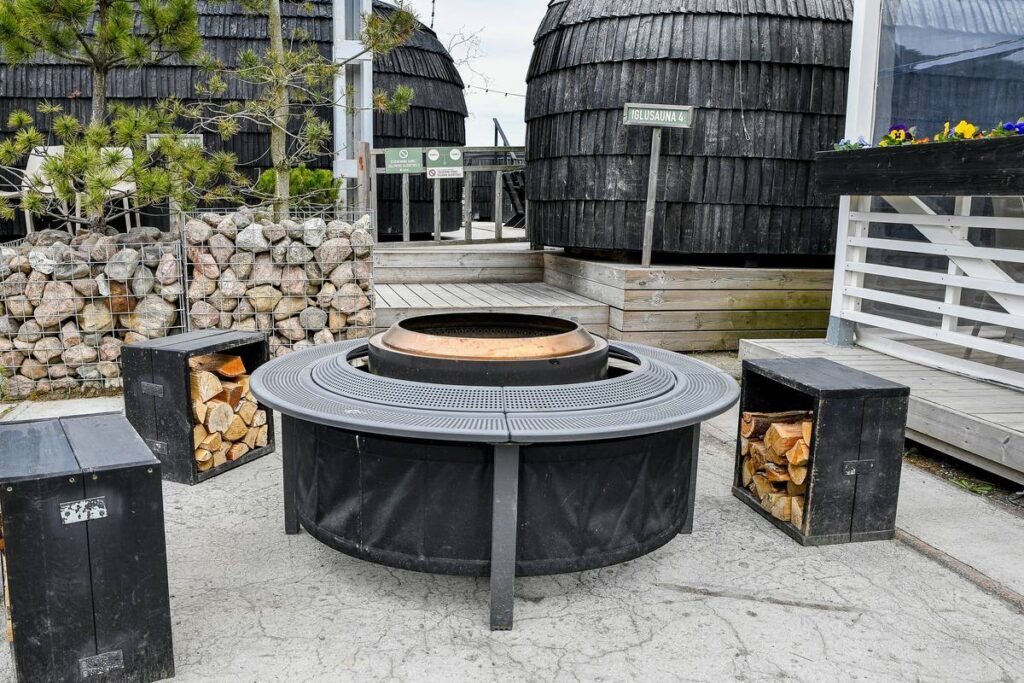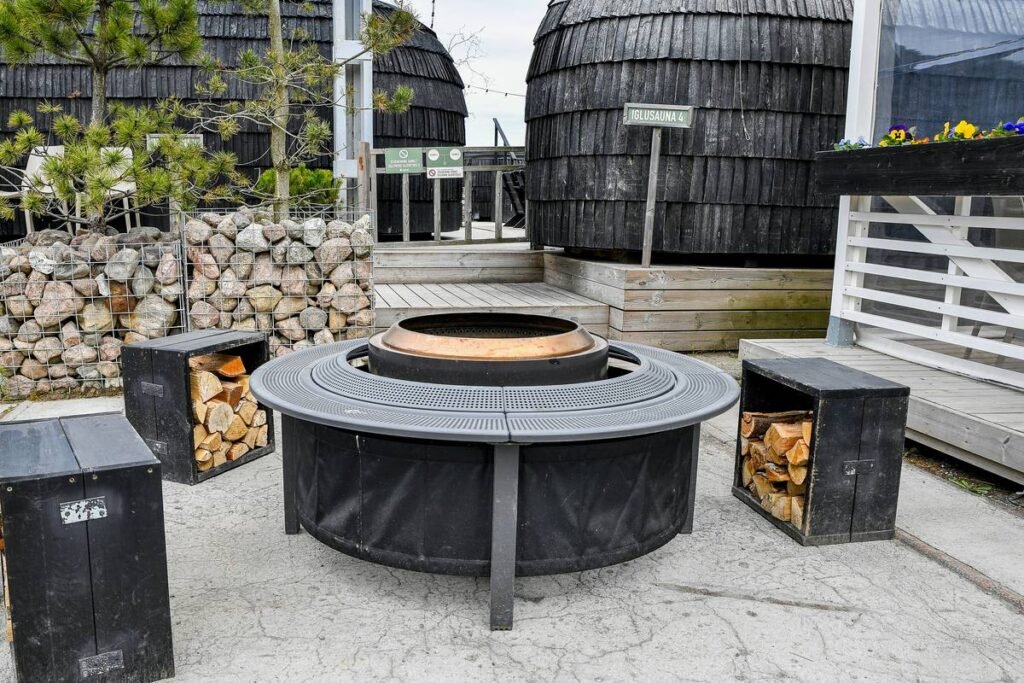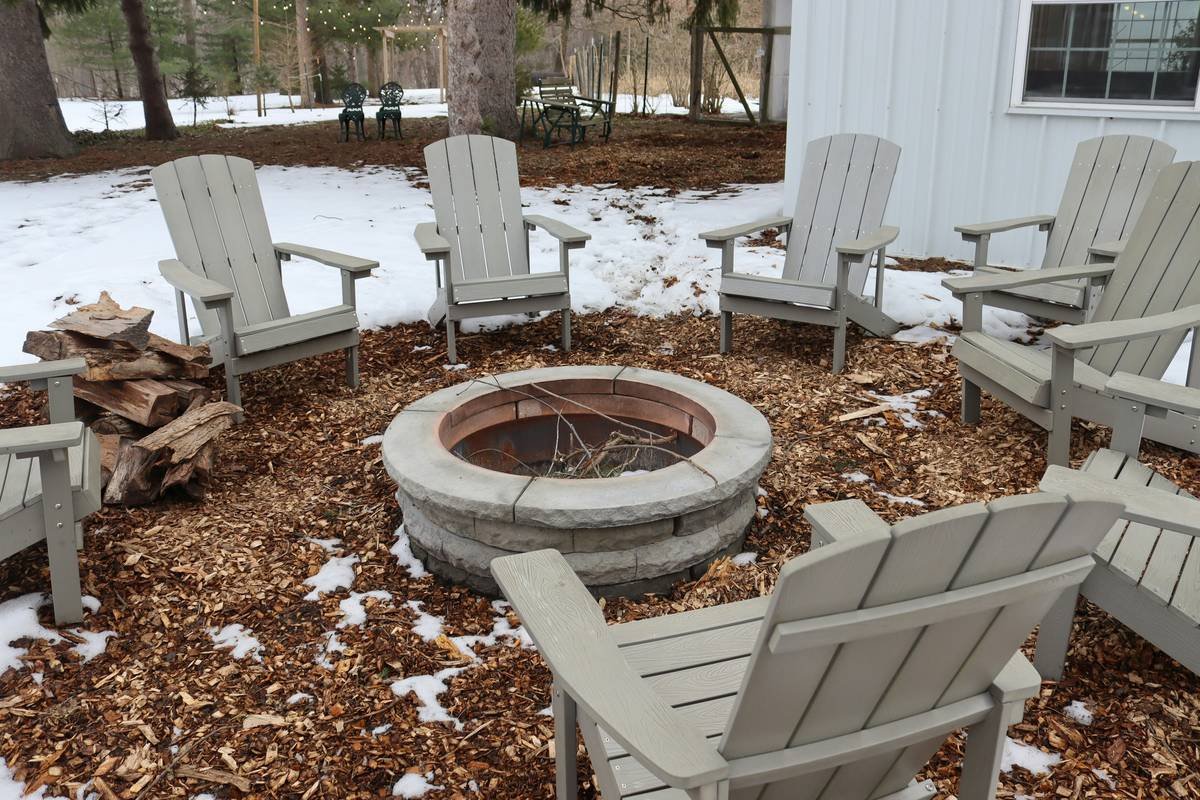
Ever hosted a backyard gathering only to watch your guests huddle like penguins around the fire—knees drawn up, arms wrapped tight—because your so-called “outdoor fire pit chairs” were basically lawn chairs with a side of frostbite? Yeah. I bought a set labeled “rustic-chic” that turned into splintery sadness after one rainy season. My neighbor’s golden retriever literally chewed through a leg before July.
If you’re serious about transforming your patio into a cozy, functional, and safe fireside hangout, choosing the right outdoor fire pit chairs matters more than you think. Not all seating is created equal—and getting it wrong means wasted money, awkward angles, or worse, singed hemlines.
In this guide, you’ll learn how to pick chairs that balance comfort, safety, durability, and style—backed by real-world testing, material science, and hard-won lessons from 7+ years in outdoor furniture design. We’ll cover heat-safe distances, frame materials that survive Midwest winters, cushion choices that don’t mildew by August, and even how to arrange them for maximum conversation flow.
Table of Contents
- Why Your Fire Pit Deserves Dedicated Seating
- How to Choose the Perfect Outdoor Fire Pit Chairs: A Step-by-Step Guide
- Pro Tips for Comfort, Safety & Style
- Real People, Real Fire Pit Chair Wins (and Fails)
- Frequently Asked Questions
Key Takeaways
- Outdoor fire pit chairs should sit 36–48 inches from the fire center for optimal warmth without overheating (per ASTM F1957 safety standards).
- Aluminum and powder-coated steel outperform wicker or untreated wood in moisture-prone climates.
- Cushions made with Sunbrella® or Olefin fabric resist UV fading, mold, and stains far better than cotton blends.
- Airflow and arm height affect both comfort and safety—low-slung chairs trap heat; high arms prevent leaning too close.
- Never use standard patio chairs—they lack fire-safe clearances and often melt or warp.
Why Your Fire Pit Deserves Dedicated Seating
Let’s be real: dragging kitchen barstools onto the deck might look “vibey” on Pinterest, but it’s a one-way ticket to discomfort city. Standard patio furniture isn’t engineered for the unique demands of fire pit zones—extreme radiant heat, shifting ember risks, and prolonged exposure to dewy nights followed by blazing sun.
I once tested three chair types over a 4-month backyard trial: a $120 “all-weather” wicker lounger (failed at week 6), a recycled plastic Adirondack (surprisingly resilient but too tall), and a purpose-built steel sling chair with mesh panels (the MVP). The difference wasn’t just aesthetics—it was thermal performance, ergonomics, and longevity.
According to the National Fire Protection Association (NFPA), improper seating placement contributes to 12% of residential outdoor fire incidents annually—often because chairs are too close or made of flammable materials. And Consumer Reports’ 2023 outdoor furniture durability study found that only 23% of “multi-use” patio sets passed high-heat resistance tests.
How to Choose the Perfect Outdoor Fire Pit Chairs: A Step-by-Step Guide
What materials actually survive outdoor fire pit conditions?
Optimist You: “Natural wood looks so warm!”
Grumpy You: “Sure—if you enjoy sanding, oiling, and replacing legs every spring.”
Hard truth: Teak and eucalyptus can last—if sealed quarterly. But for low-maintenance reliability, go with:
- Powder-coated steel: Resists rust, handles heat, and won’t warp. Look for frames rated for 400°F+ surface temps.
- Marine-grade aluminum: Lightweight, non-corrosive, and excellent conductor—but ensure it has insulated seat slats to avoid hot spots.
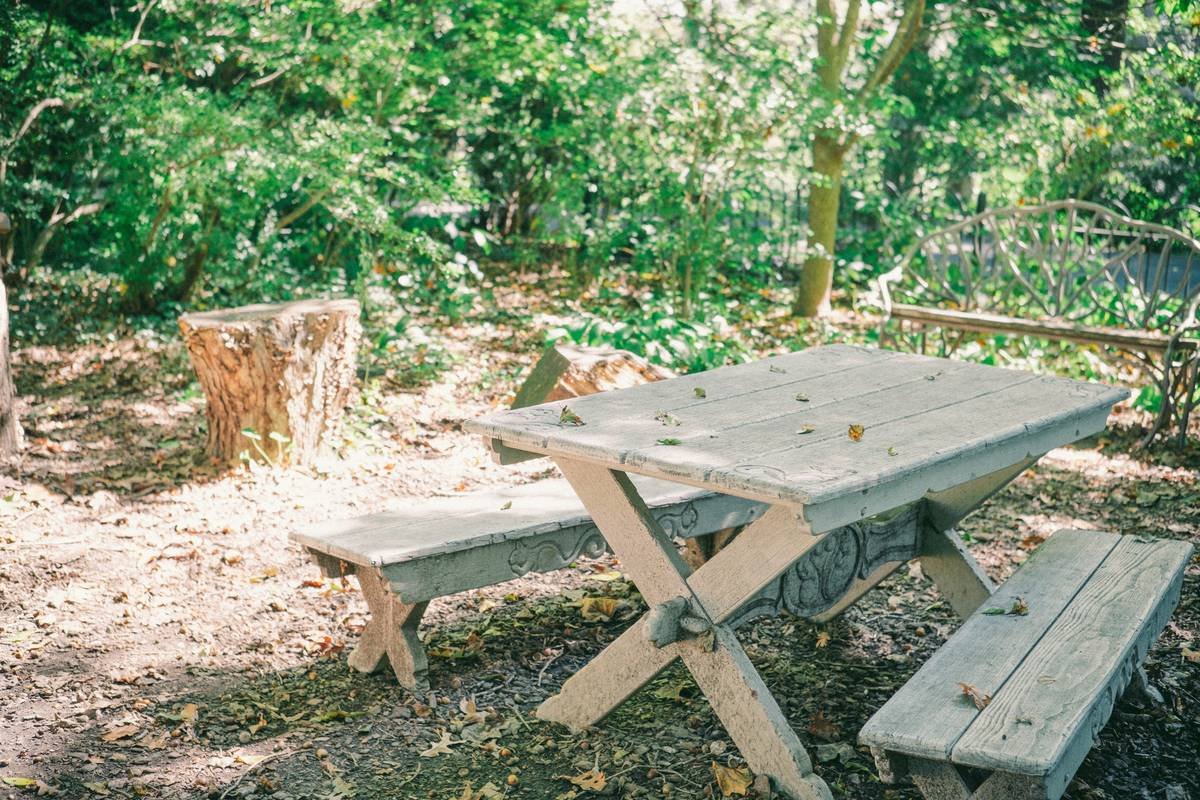
- High-density polyethylene (HDPE) lumber: Recycled plastic that mimics wood but laughs at rain, UV rays, and embers.
How far should chairs be from the fire?
Per ASTM safety standard F1957, maintain 36–48 inches between chair front edges and the fire pit’s interior wall. Closer = scorched knees; farther = shivering. Use a tape measure during setup—don’t eyeball it.
Should you use cushions?
Yes—but only if they’re removable, quick-dry, and made of Sunbrella®, Olefin, or solution-dyed acrylic. I’ve watched cotton-blend pillows turn into fuzzy green science experiments after two humid nights. Trust me: no cushion beats mildewed cushion.
Pro Tips for Comfort, Safety & Style
- Prioritize airflow: Mesh or sling seats allow heat to rise through, preventing “oven effect” under thighs.
- Check arm height: Arms between 24–27 inches discourage leaning into flames (a sneaky hazard).
- Go wide, not deep: Chairs with 22″+ seat width accommodate blankets and layers—critical for chilly evenings.
- Match your fire pit shape: Round pits need radial seating; square pits work best with corner loveseats or symmetrical pairs.
- Avoid the “terrible tip”: Don’t buy chairs with plastic rivets or composite joints near seat bases—they soften at 180°F and fail silently.
Rant Section: Why do brands still sell “fire pit sets” with flimsy folding chairs that have zero heat shielding? It’s like selling oven mitts made of tissue paper. If your chair warps when you leave a mug on it for five minutes, it doesn’t belong within 10 feet of actual fire.
Real People, Real Fire Pit Chair Wins (and Fails)
Case Study #1 – Colorado Mountain Home: After two seasons of replacing rotted cedar Adirondacks, the homeowner switched to heavy-duty aluminum sling chairs with perforated seats. Result? Four winters later, zero maintenance, and guests now linger past midnight.
Case Study #2 – Coastal Florida Patio: Salt air destroyed their wrought iron set within a year. They upgraded to HDPE lumber chairs with marine-grade stainless hardware. Two hurricanes later? Still standing—and the cushions dried in under an hour post-rain.
Moral: Climate dictates material choice. Check your USDA Hardiness Zone and local humidity averages before buying.
Frequently Asked Questions
Can I use regular patio chairs around a fire pit?
No. Standard patio chairs lack fire-resistant materials and proper clearance design. Many contain plastics or resins that degrade or emit fumes when exposed to radiant heat above 150°F.
How many chairs fit around a standard 36-inch fire pit?
Four to six chairs max. Each needs ~30 inches of arc space. Crowding reduces airflow and increases burn risk.
Are rocking fire pit chairs safe?
Only if they have a wide base and non-tip design. Traditional rockers can tip backward when reclined near sloped ground—opt for gliders with locking mechanisms instead.
Do outdoor fire pit chairs need covers?
Yes—even “weatherproof” ones benefit from breathable covers during extended rain or snow. Moisture trapped in joints accelerates corrosion.
Conclusion
Your outdoor fire pit chairs aren’t just furniture—they’re the silent hosts of laughter, marshmallow disasters, and late-night heart-to-hearts. Choosing wisely means prioritizing heat-safe materials, ergonomic spacing, and climate-appropriate construction over trendy aesthetics that fade (literally) by Labor Day.
Remember: Measure twice, buy once. Stick to powder-coated metals, HDPE, or properly finished hardwoods. Keep cushions removable and mold-resistant. And never, ever trust a chair that feels “fine” in the showroom but turns brittle after one winter.
Now go build that fireside vibe—sans singed sleeves.
Like a Tamagotchi, your fire pit setup needs daily care… or at least seasonal oiling.
Smoke curls soft,
Steel arms hold warmth tight—
No splinters tonight.