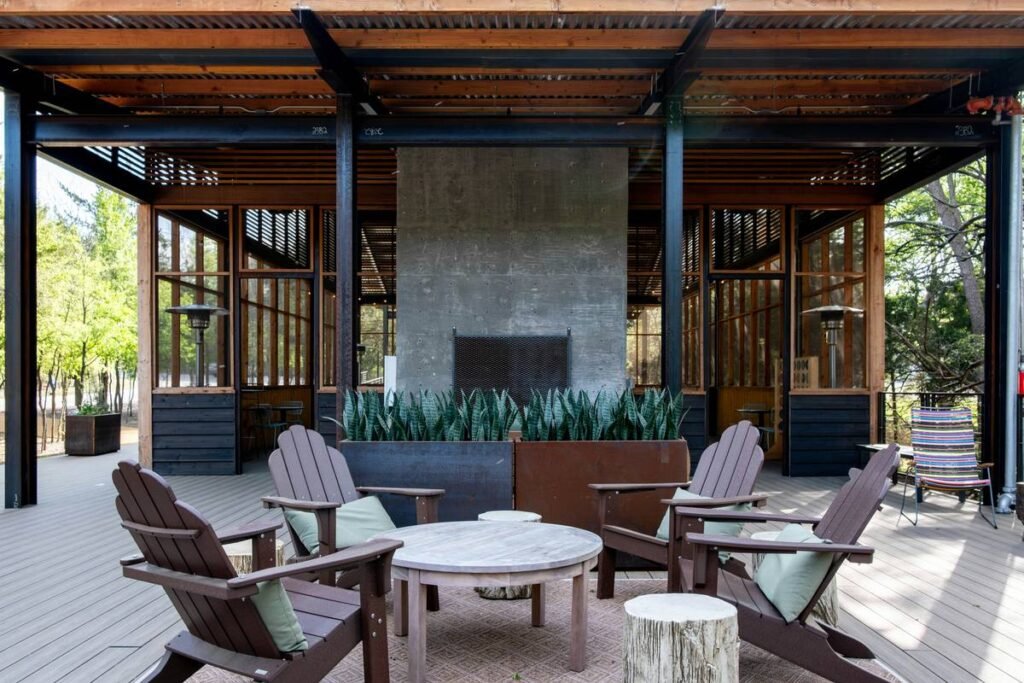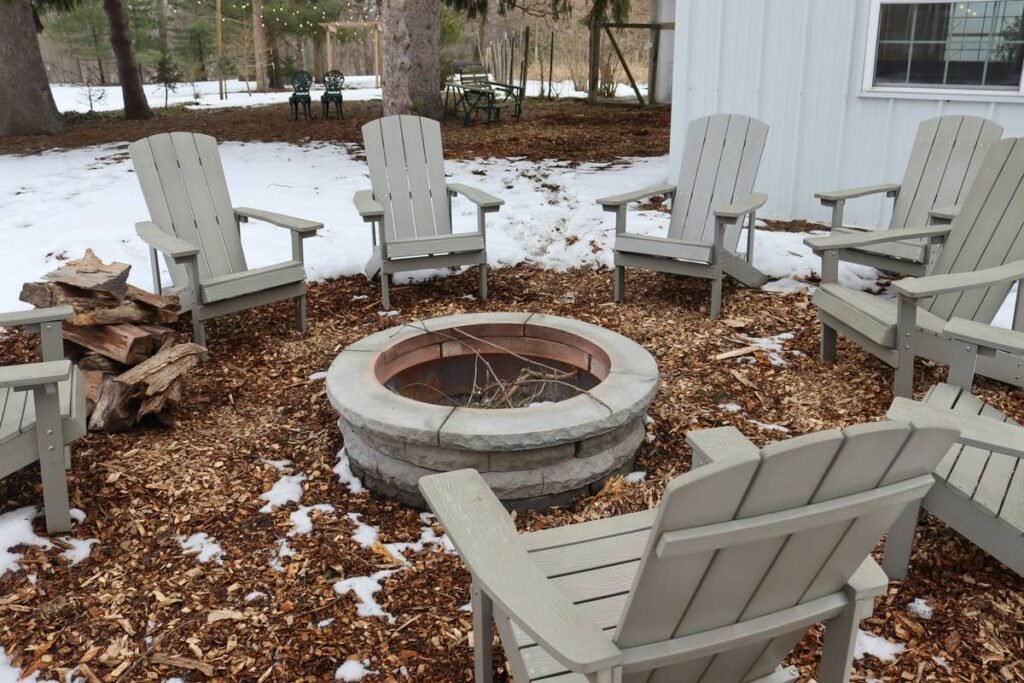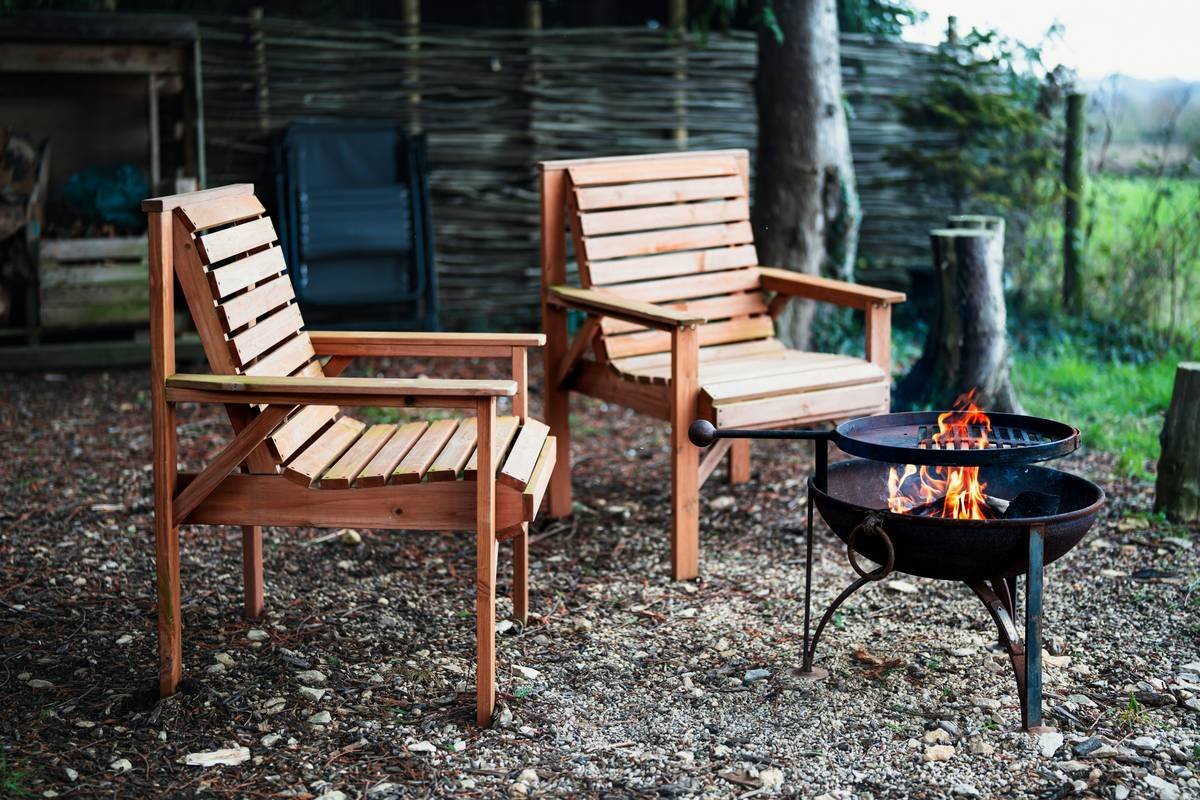
Ever stood in a big-box store, surrounded by sleek fire pit table sets that all promise “backyard bliss,” only to realize none tell you how they’ll actually hold up when your neighbor inevitably spills craft beer on the burner? Yeah. Been there, done that—with a $1,200 “rust-proof” set that turned into an abstract rust sculpture by October.
If you’re wondering “fire pit table set what to” prioritize—safety, style, seating, or smoke dispersion—you’re not alone. With over $25 billion poured into outdoor furniture globally in 2023 (Grand View Research), fire pit tables are hotter than ever—but not all are built for real life.
In this guide, you’ll learn exactly what to look for (and avoid) when buying a fire pit table set, based on my decade of installing them for clients from Aspen to Austin—and burning through way too many cheap propane hoses. We’ll cover material durability, seating ergonomics, fuel types, safety clearances, and even how to spot a “marketing mirage” before it empties your wallet.
Table of Contents
- Why Choosing the Right Fire Pit Table Set Actually Matters
- Step-by-Step: How to Pick Your Perfect Fire Pit Table Set
- 5 Pro Tips Most Showrooms Won’t Tell You
- Real-World Examples: What Worked (and What Crumbled)
- Fire Pit Table Set FAQs—Answered Honestly
Key Takeaways
- Material matters more than aesthetics—powder-coated aluminum and marine-grade stainless steel outperform “weather-resistant” composites.
- Always verify CSA or UL certification for gas burners; unlisted units risk carbon monoxide buildup.
- Seating should allow 24–30 inches between knees and table edge for comfort—most sets skimp here.
- Propane models offer portability but require tank concealment; natural gas is cleaner but needs professional install.
- Avoid “all-in-one” sets with non-replaceable burners—they’re landfill-bound in 2–3 seasons.
Why Choosing the Right Fire Pit Table Set Actually Matters
A fire pit table isn’t just decor—it’s a heat source, gathering hub, and potential liability if chosen poorly. I once consulted on a patio where a homeowner bought a bargain-bin fire table with a flimsy glass wind guard. One gust later, shards scattered across flagstone while marshmallows roasted… elsewhere.
Beyond safety, mismatched height or poor airflow leads to smoky eyes, awkward posture, and cold drinks warming faster than your spirits. According to the National Fire Protection Association, outdoor fire features contribute to over 5,000 home fires annually—many tied to improper clearance or faulty components.
Step-by-Step: How to Pick Your Perfect Fire Pit Table Set
What materials survive real weather—not just showroom lighting?
Optimist You: “Ooh, that wicker look is so cozy!”
Grumpy You: “Yeah, until Midwest humidity turns it into a mildew nest by July.”
Prioritize frames made from:
– Marine-grade 316 stainless steel: Resists salt and moisture (ideal for coastal areas).
– Powder-coated aluminum: Lightweight, won’t rust, and handles thermal expansion well.
– Cast concrete or stone composite: Heavy but ultra-durable—just confirm it’s reinforced to prevent cracking.
Avoid “all-weather resin” without UV inhibitors—it fades and becomes brittle within 18 months.
Gas or wood? Fuel type dictates everything—from permits to party flow
Propane: Portable, no hardline needed. But you’ll need a hidden tank compartment (not just tucking it beside the table—that’s a tripping *and* fire hazard). Look for sets with integrated storage or matching side cabinets.
Natural gas: Cleaner burn, infinite runtime—but requires licensed installation. Check local codes: some HOAs ban above-ground gas lines.
Wood-burning: Romantic but high-maintenance. Requires ash cleanup, spark screens, and often a non-combustible base (like pavers). Not ideal for small patios or dry climates due to ember risk.
Seating: It’s not just about matching cushions
Your chairs must complement the table’s height. Standard fire pit tables sit 16–18 inches tall. Seating should be 12–14 inches high so your forearms rest comfortably *without* hunching.
Measure knee-to-table clearance: less than 24 inches = cramped. More than 30 = chilly distance. And skip armless stools—they force everyone to perch like nervous flamingos.
5 Pro Tips Most Showrooms Won’t Tell You
- Test ignition reliability. Battery-powered sparkers fail in damp air. Piezo igniters last longer—but always have a long-reach lighter as backup.
- Demand removable burner pans. If lava rock or glass beads get wet, you need to drain them fast—or risk steam explosions when relit.
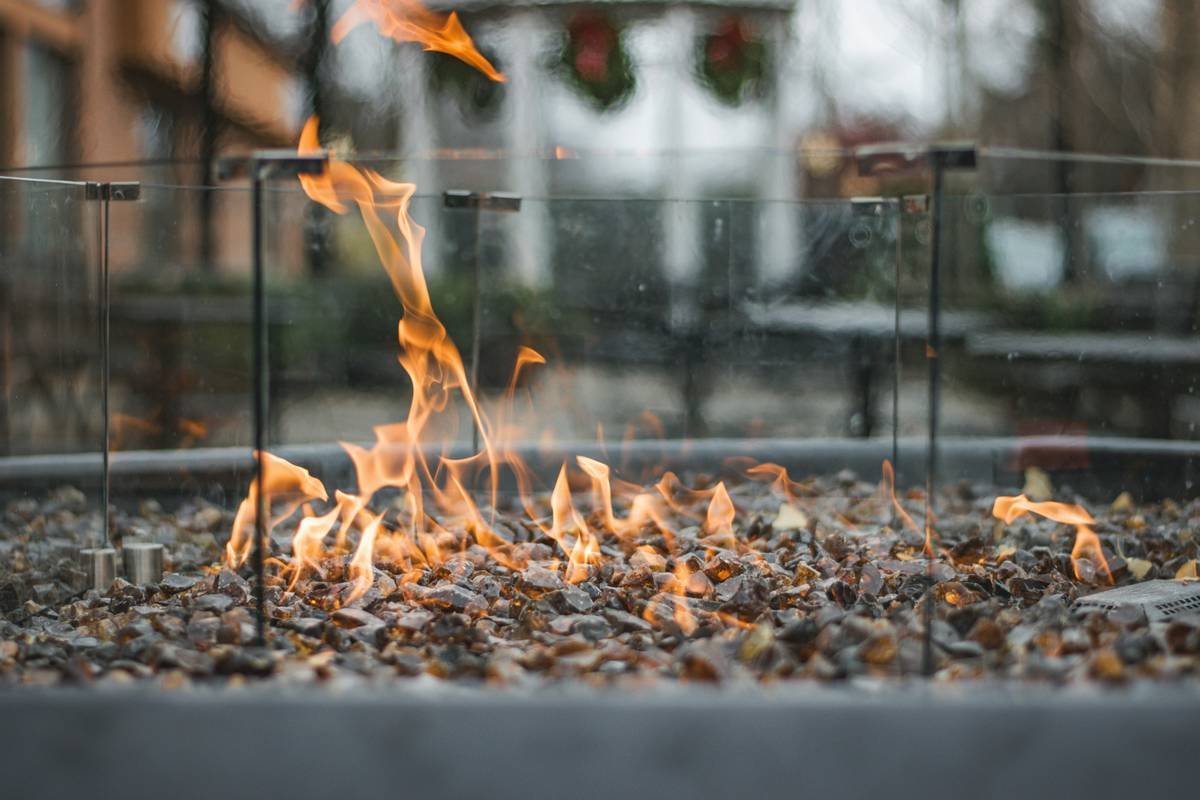
- Check glass quality. Tempered fire glass should be 1/4-inch thick minimum. Cheap versions shatter under thermal stress.
- Verify warranty scope. Many cover “finish defects” but exclude burner corrosion—a classic loophole.
- Think airflow, not just aesthetics. Tables with solid sides trap heat and create downdrafts that blow smoke into faces. Look for perforated bases or open designs.
Real-World Examples: What Worked (and What Crumbled)
Case Study #1 – Austin, TX (Success): Client wanted low-maintenance entertaining. We chose a 48-inch round fire table with marine-grade aluminum frame, natural gas hookup, and modular deep-seating. After 3 Texas summers (100°F+ temps, flash floods), zero rust or burner issues. Key win: 30-inch knee clearance kept guests leaning in, not leaning back.
Case Study #2 – Chicago, IL (Fail): A “discount” set with faux stone veneer cracked during first freeze-thaw cycle. Burner corroded within 6 months due to lack of drainage. Total replacement cost: $900. Lesson? Price-per-pound often beats upfront savings.
Fire Pit Table Set FAQs—Answered Honestly
Can I leave my fire pit table outside year-round?
Only if it’s truly all-season rated (not just “weather-resistant”). Cover it with a breathable fabric (never plastic—it traps condensation). In snow-prone zones, store propane tanks indoors and disconnect gas lines.
How much clearance do I need from my house?
Per NFPA and most municipal codes: at least 10 feet from structures, overhangs, or dry vegetation. Never place under pergolas unless they’re fully non-combustible and open-sided.
Are propane fire tables safe on decks?
Yes—if the deck is non-combustible (tile, concrete) or treated wood with proper clearance. Avoid placing directly on vinyl or composite decking without a heat shield mat (rated for 1,200°F+).
What’s the average lifespan of a quality set?
8–12 years with maintenance. Cheap sets? 2–3 seasons max. The burner is usually the first failure point—so prioritize replaceable components.
Conclusion
So—fire pit table set what to focus on? Safety certifications, serviceable parts, climate-appropriate materials, and human-centered ergonomics. Skip the Instagram bait with flimsy frames and unvented burners. Invest in a system that earns its keep through winters, parties, and spontaneous late-night cocoa rounds.
Because nothing says “I’ve got my life together” like hosting friends around a warm, reliable flame—while your neighbor’s bargain set sputters out like a sad birthday candle.
Like a Tamagotchi, your fire pit needs daily care—even if that “care” is just checking for spider webs in the burner ports.
Smoke curls soft,
Steel holds strong through frost and rain—
Warmth earned, not bought cheap.