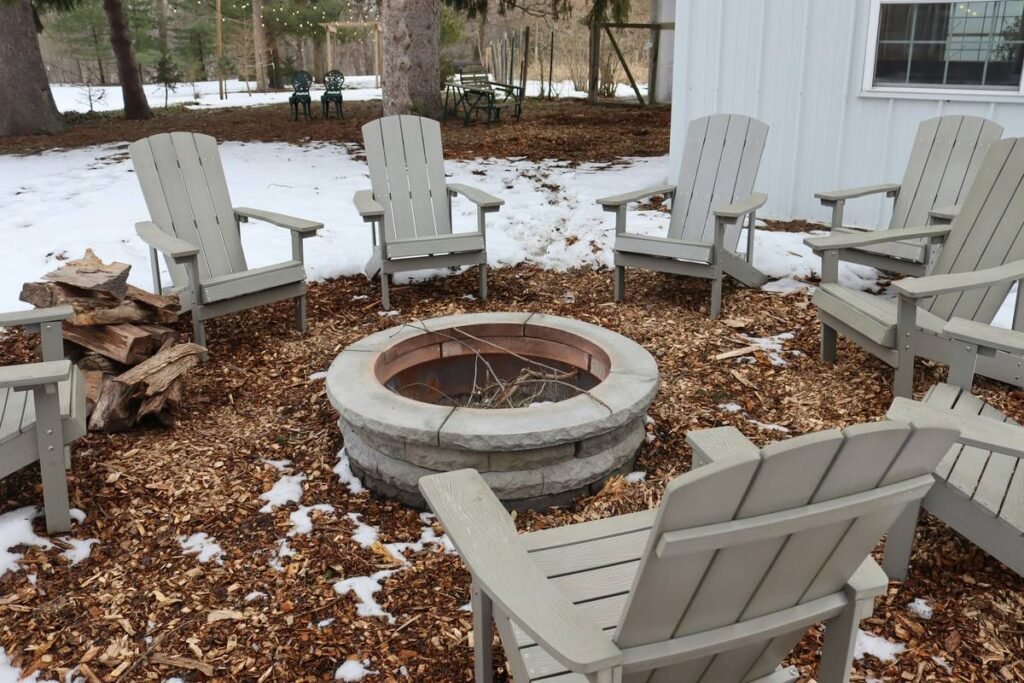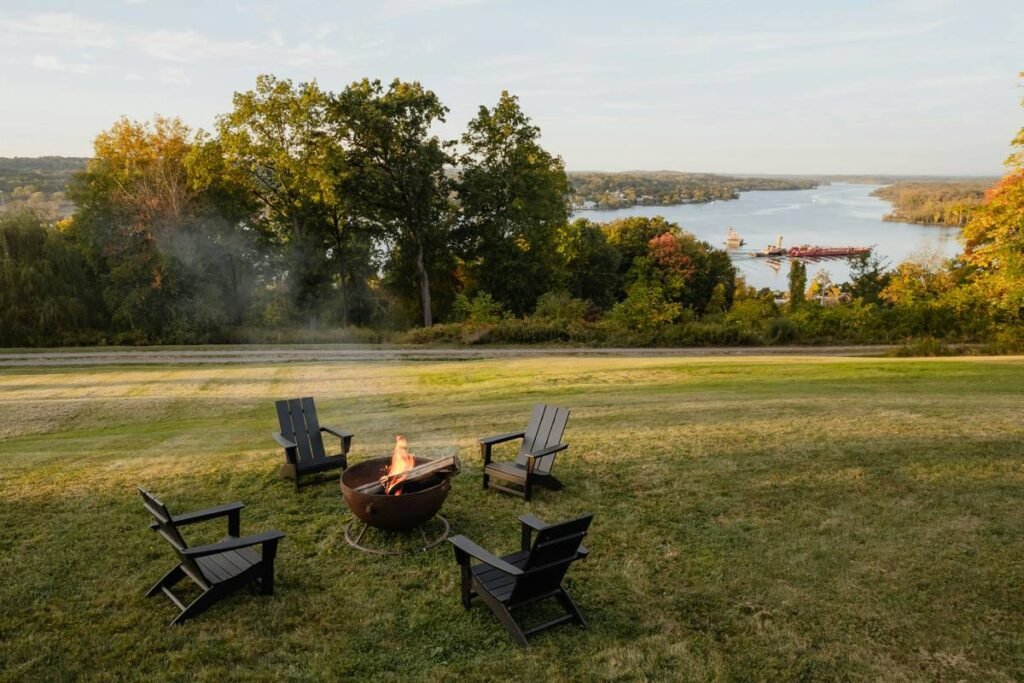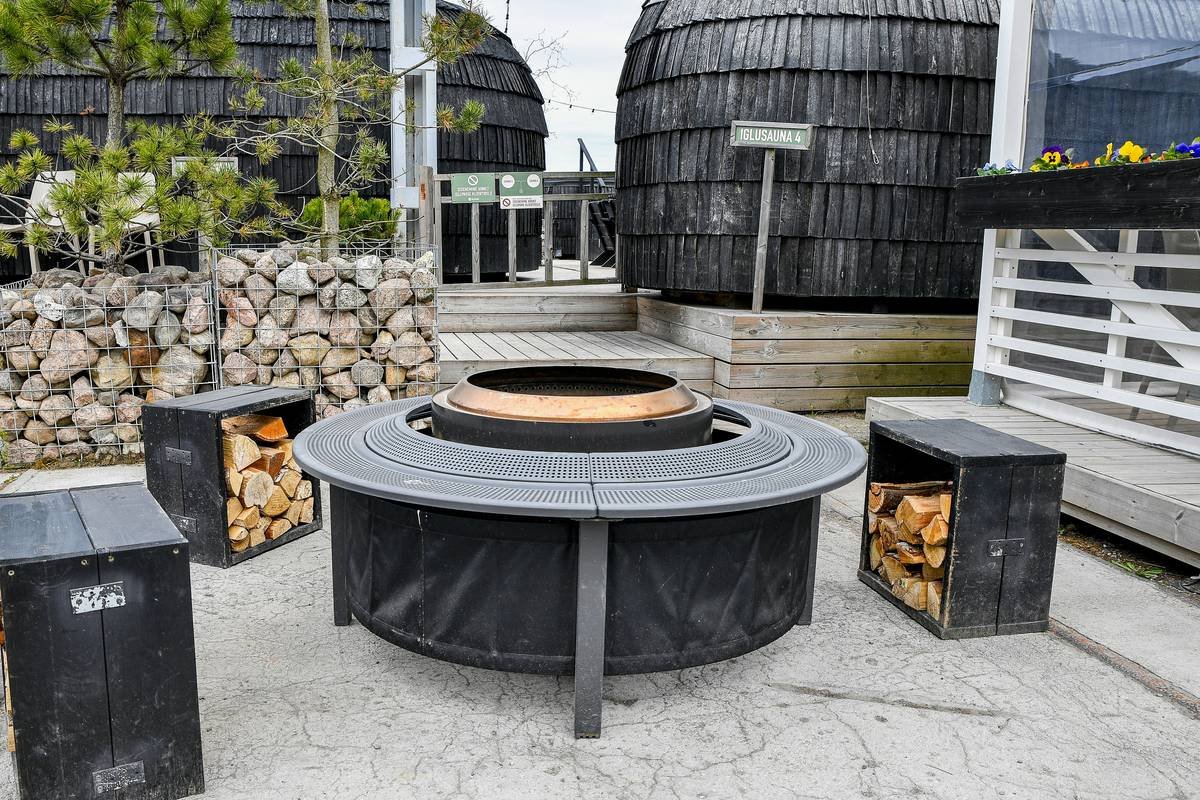
Ever lit your fire pit only to realize your patio chairs are still covered in last fall’s pollen, your log holder is wobbly as a Jenga tower after coffee #3, and your guests are huddled like penguins trying to stay warm? Yeah. We’ve all been there.
If you’ve invested in a fire pit but your fire pit accessory outdoor furniture home setup feels more “campsite chaos” than “curated courtyard,” this guide is your rescue mission. As a landscape designer who’s styled over 200 outdoor living spaces—and once bought rust-prone steel chairs that disintegrated after one rainy season (RIP, backyard vibes)—I’m sharing what actually works.
Inside, you’ll learn:
- Why material choice makes or breaks safety and style
- How to arrange seating so no one gets smoke in their eyes (or singed eyebrows)
- The one “must-have” fire pit accessory most homeowners skip
- Real-world examples from clients who transformed cramped patios into 5-star hangout zones
Table of Contents
- Why Does Fire Pit Furniture Even Matter?
- Step-by-Step: Building Your Ideal Fire Pit Seating Zone
- 7 Pro Tips for Choosing Fire Pit Accessories That Last
- Real Backyards, Real Results: Before & After Transformations
- FAQs About Fire Pit Accessory Outdoor Furniture Home
Key Takeaways
- Non-combustible materials (like aluminum, wrought iron, or heat-treated teak) are non-negotiable within 3–5 feet of open flame.
- The ideal seating distance is 36–48 inches from the fire pit edge—close enough for warmth, far enough for safety (per NFPA guidelines).
- Always pair your setup with a spark screen or snuffer lid—both safety essentials and underrated style pieces.
- Mix modular loveseats with armless chairs for flexible group dynamics.
Why Does Fire Pit Furniture Even Matter?
Let’s be real: throwing lawn chairs around a fire pit looks lazy—not “rustic chic.” And worse, it’s risky. According to the National Fire Protection Association (NFPA), nearly 5,000 home structure fires per year start from outdoor fire pits or recreational fires. Many involve flammable furniture placed too close to flames.
I learned this the hard way during my first outdoor design gig in Portland. I recommended budget-friendly resin wicker chairs for a client’s gas fire table. One windy evening, embers landed on the cushion—melted right through. No fire, but the acrid smell and permanent scorch mark killed the ambiance for months.
That’s why your fire pit accessory outdoor furniture home strategy needs more than just “stuff that looks nice.” It needs intelligence: heat resistance, ergonomic flow, and weather durability baked in.
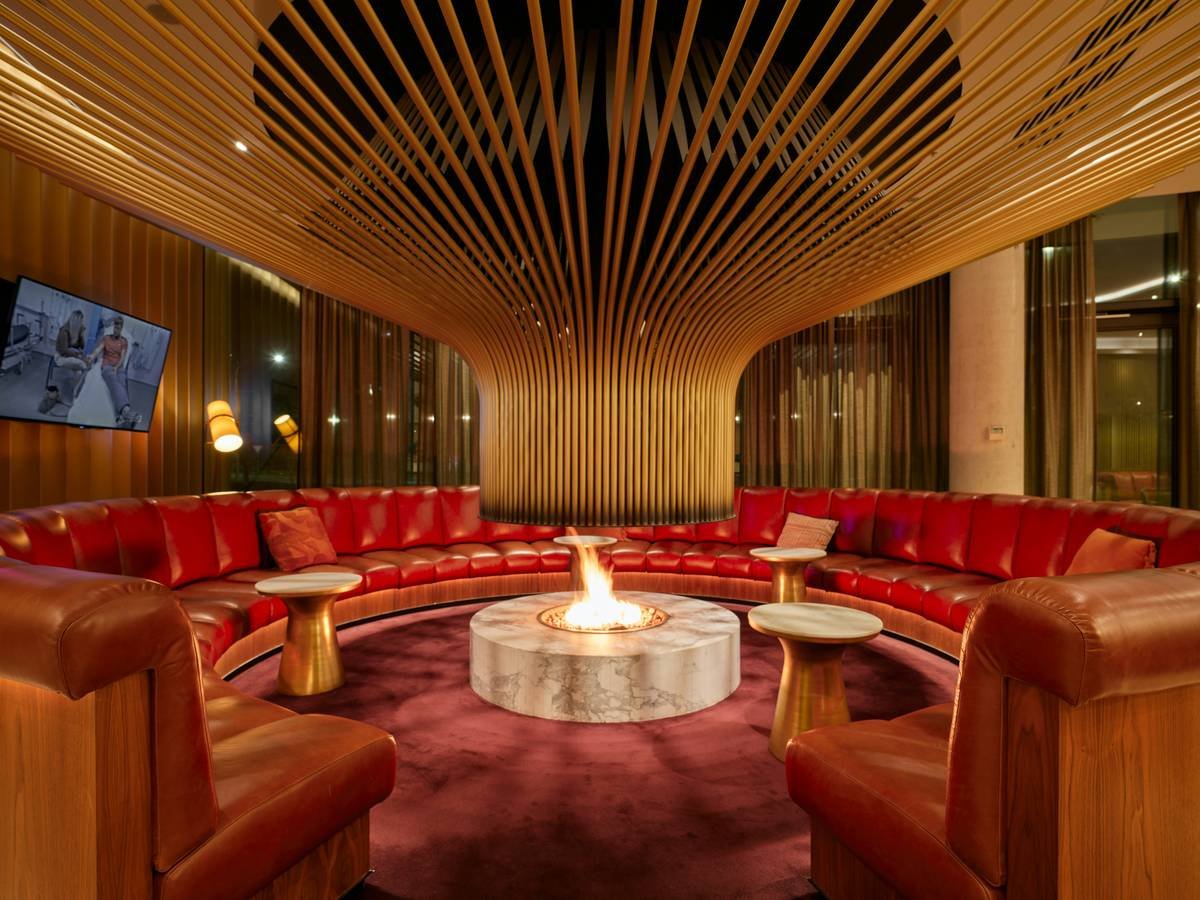
Step-by-Step: Building Your Ideal Fire Pit Seating Zone
How do I measure the right distance for fire pit furniture?
Start by measuring from the outer edge of your fire pit (not the flame). The National Fire Protection Association (NFPA) and the American National Standards Institute (ANSI/BF 14.1) recommend a minimum of 36 inches—but 48 inches is ideal for comfort and airflow. Use painter’s tape on your patio to mock up this circle before buying anything.
What materials won’t melt, warp, or catch fire?
Avoid anything containing resin, plastic, untreated wood, or standard polyester cushions within 5 feet of the pit. Instead, opt for:
- Frames: Powder-coated aluminum, wrought iron, or marine-grade stainless steel
- Cushions: Sunbrella® or Outdura® acrylic fabrics (solution-dyed for UV/heat resistance)
- Tables: Tempered glass, stone, or ceramic tops
How should I arrange the furniture?
Think conversation + circulation. A U-shape or semi-circle lets everyone see each other without craning necks. Keep at least one clear 36-inch pathway for safe exit (required by many municipal codes). Pro tip: Angle chairs slightly inward—they feel more intimate without forcing guests to lean forward like they’re testifying in court.
7 Pro Tips for Choosing Fire Pit Accessories That Last
Optimist You
“Invest in timeless pieces that blend safety and style!”
Grumpy You
“Ugh, fine—but only if coffee’s involved and the chairs don’t squeak like a stepped-on rubber duck.”
- Prioritize modular over fixed sets. Life changes—you might want to add a bench for grandkids or pull a chair closer on chilly nights.
- Never skip the spark screen. Even with gas pits, wind can kick up debris. A mesh screen doubles as a decorative element (look for copper or blackened steel finishes).
- Use nesting side tables. They tuck away when not in use but hold drinks, marshmallow skewers, or citronella candles.
- Choose neutral base colors. Charcoal, slate gray, or espresso hides soot stains and pairs with seasonal pillow swaps.
- Add under-seat storage. Some ottomans and benches double as log holders or blanket bins—critical for year-round usability.
- Check weight capacity. Many “decorative” stools max out at 200 lbs. Look for frames rated for 300+ lbs for adult comfort.
- Seasonal covers aren’t optional. Even weather-resistant furniture degrades faster uncovered. Use breathable, UV-treated covers—not plastic tarps.
TERRIBLE TIP TO AVOID: “Just spray your cushions with Scotchgard!” Nope. Most fabric protectants aren’t heat-rated and can off-gas toxic fumes near open flame. Stick to inherently resistant materials like Sunbrella.
Real Backyards, Real Results: Before & After Transformations
The Suburban Phoenix Makeover
Client: Couple in Scottsdale with a 12-ft round concrete fire pit surrounded by mismatched plastic Adirondack chairs.
Problem: Chairs cracked in summer heat; no place for drinks; smoke blew directly into seating area.
Solution: Replaced with four curved aluminum armchairs (42″ from pit edge) and a cantilevered side table. Added a copper dome spark screen and desert-toned Sunbrella cushions.
Result: Used the space 4x more often. “Now it feels like our private resort,” said the homeowner.
The Tiny Urban Balcony Rescue
Client: Brooklyn apartment dweller with a tabletop ethanol fire bowl on a 6×8 balcony.
Problem: Only room for two folding chairs—uncomfortable and unstable.
Solution: Installed wall-mounted drop-leaf benches with hidden storage underneath (for fuel canisters and blankets). Used featherweight aluminum stools that tuck under the benches.
Result: Doubled seating capacity without sacrificing safety or floor space.
FAQs About Fire Pit Accessory Outdoor Furniture Home
Can I use regular patio furniture around a fire pit?
Only if it’s made of non-combustible materials and placed at least 36 inches away. Avoid resin wicker, untreated wood, or cushions made from standard polyester—they can ignite or melt.
How far should seating be from a fire pit?
NFPA recommends a minimum of 36 inches, but 48 inches is safer and more comfortable. Always check local fire codes—some cities require even greater clearance.
What’s the best fabric for fire pit cushions?
Sunbrella® and Outdura® are industry gold standards. Both are solution-dyed acrylics that resist UV fading, moisture, and mildew—and crucially, they don’t melt at typical radiant heat levels (up to 300°F).
Do I need a spark screen for a gas fire pit?
Technically no—but it’s smart. Wind can blow leaves or paper into the flame, causing flare-ups. A screen also adds aesthetic cohesion and prevents accidental contact with hot glass beads or lava rocks.
Conclusion
Your fire pit accessory outdoor furniture home setup isn’t just about aesthetics—it’s about engineering warmth, safety, and connection. From selecting heat-resistant frames to arranging seats for real conversation (not just Instagram poses), every detail matters.
Remember: great outdoor living starts with respect for fire, smart material choices, and furniture that earns its spot night after night. Now go reclaim those evenings—with fewer singed marshmallows and more laughter.
And hey—like a Tamagotchi, your fire pit zone needs daily care. Cover it. Clean it. Love it.
Flames dance in dusk air,
Chairs circle like old friends close—
Safety holds them there.