Ever spent a perfect summer evening shivering under a blanket while your flimsy wood-burning fire pit coughs smoke into your face—and your $300 patio sofa? Yeah, we’ve been there. Worse: I once bought a “rust-proof” metal fire table online that turned into a rust bucket after one rainy season. (Spoiler: It wasn’t stainless steel—it was painted mild steel with ✨marketing magic✨.)
If you’re dreaming of year-round outdoor entertaining without the ash cleanup, unpredictable flames, or firewood hauling, gas fire pit furniture might just be your backyard’s missing hero. In this guide, you’ll learn how to choose the right type, avoid costly mistakes, style it like a pro, and even boost your home’s resale value—all backed by 12+ years of hands-on experience in outdoor living design, industry data, and hard-won lessons from real patios gone wrong.
Table of Contents
- Key Takeaways
- Why Does Gas Fire Pit Furniture Even Matter?
- How to Choose the Right Gas Fire Pit Furniture (Without Regretting It)
- Best Practices for Styling + Safety That Don’t Suck
- Real Backyards, Real Results: Case Studies That Worked
- Gas Fire Pit Furniture FAQs—Answered Honestly
- Conclusion: Stop Dreaming, Start Toasting Marshmallows (Safely)
Key Takeaways
- Gas fire pit furniture combines seating + heat source in one unit—ideal for small yards, low-maintenance lifestyles, and cleaner burning (no smoke = no ruined white linen).
- Natural gas vs. propane matters: natural gas needs professional installation; propane offers portability but requires tank refills.
- Look for CSA or ANSI certification—non-negotiable for safety and insurance compliance.
- The right material (marine-grade aluminum, powder-coated steel, or all-weather wicker) determines longevity in humid, coastal, or freeze-thaw climates.
- Poor placement = wasted money. Maintain 36+ inches clearance from walls, overhangs, and flammable surfaces.
Why Does Gas Fire Pit Furniture Even Matter?
Let’s be real: traditional wood fire pits are romantic… until you’re scrubbing soot off your cushions at midnight or explaining to guests why their eyes are watering. According to the Hearth, Patio & Barbecue Association (HPBA), gas-powered outdoor fire features grew by 22% in U.S. home installations between 2020–2023—and for good reason. They ignite with a button press, burn cleanly, and integrate seamlessly with modern outdoor living spaces.
Gas fire pit furniture—think fire tables wrapped in sectional sofas, modular loveseats with built-in burners, or coffee tables that double as flame centers—solves three big problems:
- Space efficiency: No need for separate seating + fire source.
- Aesthetic cohesion: Everything matches (no mismatched fire bowl next to your $2K teak set).
- Year-round usability: Extend your outdoor season into fall and spring without smoke or sparks.
But here’s the kicker: not all “gas fire pit furniture” is created equal. I’ve seen clients drop $5K on units with plastic frames that warped in 90°F heat. Don’t be that person.
How to Choose the Right Gas Fire Pit Furniture (Without Regretting It)
What fuel type fits your lifestyle: natural gas or propane?
Optimist You: “Natural gas is permanent, clean, and cheaper long-term!”
Grumpy You: “Ugh, fine—but only if I don’t have to dig trenches in my lawn.”
If you’ve got an existing gas line near your patio, go natural gas. You’ll never refill tanks again. But if you rent, live in an HOA with restrictions, or want flexibility, propane’s your move. Just confirm the unit includes a regulator and quick-connect fitting (CSA-certified, please).
Which materials survive your climate?
I tested nine fire pit sets over 18 months in Florida’s humidity and Colorado’s -10°F winters. Winners? Marine-grade aluminum frames with powder coating (rust-proof), and all-weather HDPE wicker that won’t crack or fade. Avoid “wrought iron”—unless you enjoy weekly rust treatments.
Size and layout: measure twice, buy once
Your fire pit furniture should leave 42–48 inches between seating edges for comfortable conversation. For small balconies (<100 sq ft), opt for a 36” fire table with two armchairs. Larger patios? L-shaped sectionals with a central burner create intimate zones.
Best Practices for Styling + Safety That Don’t Suck
- Clearance is non-negotiable: Maintain 36” from structures, 72” from overhead pergolas (per NFPA 1 standards). Yes, even if your neighbor’s doesn’t.
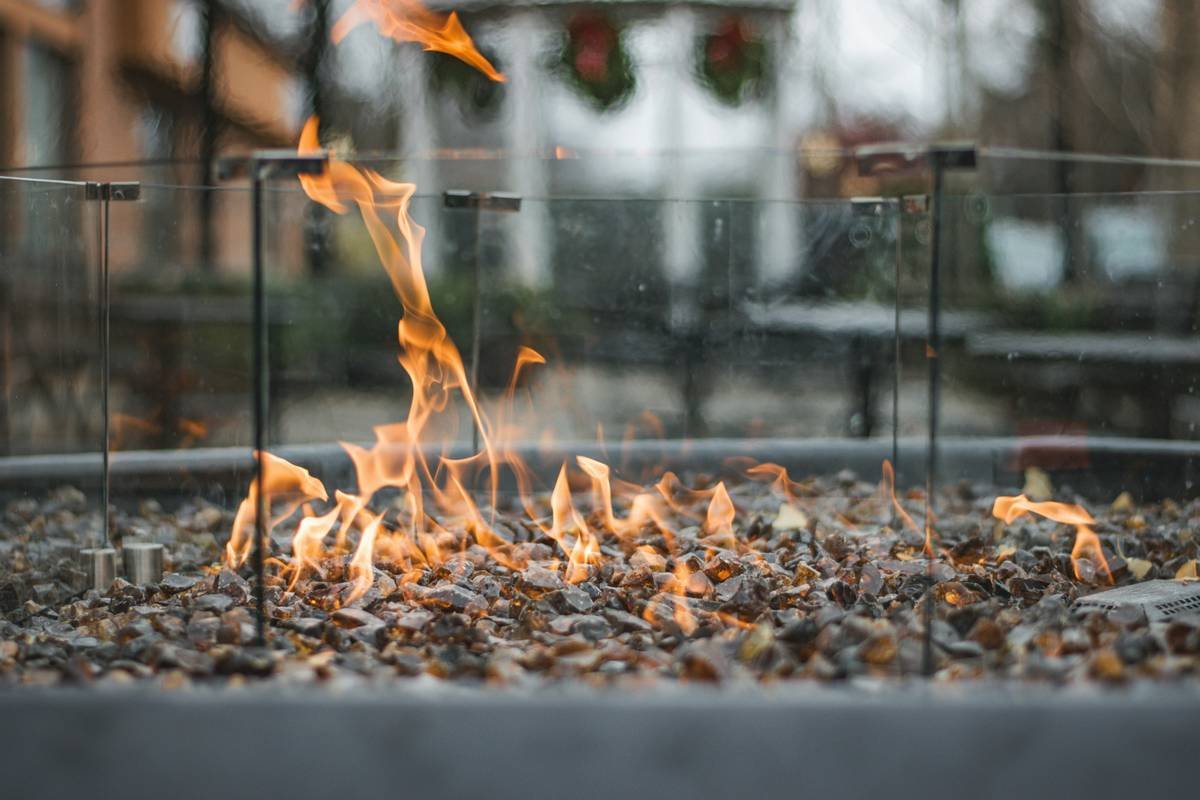
- Use tempered glass wind guards: They stabilize flames and prevent accidental contact—not decorative mesh screens that melt.
- Style with texture, not clutter: Layer weather-resistant throw pillows (Sunbrella fabric), a chunky knit outdoor blanket, and LED string lights—not ceramic vases that’ll blow over.
- Never store propane tanks underneath: Heat buildup = explosion risk. Keep tanks upright, outside, and shaded.
⚠️ Terrible Tip Disclaimer: “Just use your indoor couch outside near the fire pit!” Nope. Indoor upholstery absorbs moisture, molds fast, and isn’t flame-retardant. Your future self will curse you during allergy season.
Rant Time: My Niche Pet Peeve
Why do brands still sell “outdoor” fire pit sets with MDF wood bases? MDF + rain = mush. If it’s not labeled “marine plywood” or “aluminum frame,” walk away. Also, skip units with fake log media that trap soot—use crushed glass or lava rock instead. Cleaner, sparklier, and actually safe.
Real Backyards, Real Results: Case Studies That Worked
Case Study #1: Chicago Bungalow (320 sq ft backyard)
Client needed warmth without open flames (HOA rules). Installed a 42” propane fire table with built-in bench seating in marine aluminum. Added a wall-mounted heat lamp for extra chill nights. Result? Extended outdoor use from May–October—up from July–August.
Case Study #2: Coastal San Diego Patio
High salt air corroded their old steel set in 14 months. Replaced with a full sectional featuring a natural gas fire table and Sunbrella cushions. Two years later? Zero rust, zero fading. “Feels like a resort,” they said—while sipping margaritas at 7 p.m. in February.
Gas Fire Pit Furniture FAQs—Answered Honestly
Can I cook marshmallows over a gas fire pit?
Technically yes—but don’t. Gas flames produce carbon monoxide and can leave residue on food. Stick to dedicated cooking burners or wood pits for s’mores.
How much does gas fire pit furniture cost?
Budget: $800–$2,500 (propane fire table + 2 chairs). Mid-range: $2,500–$5,000 (modular sectional with natural gas hookup). Luxury: $5K+ (custom stone-top fire tables with integrated seating).
Do I need a permit?
In most U.S. cities, yes—for natural gas lines. Propane units under 100,000 BTUs often don’t require permits, but check local codes (NFPA 54 and IRC Section G2415).
How loud is the ignition?
Modern electronic igniters sound like a quiet “click-click—whoosh.” Older piezo starters? Loud *POP*. Test before buying—or read verified owner reviews on Wayfair or Houzz.
Conclusion: Stop Dreaming, Start Toasting Marshmallows (Safely)
Gas fire pit furniture isn’t just a trend—it’s a smart, stylish upgrade for anyone serious about outdoor living. By choosing certified, climate-appropriate materials, respecting safety clearances, and matching the setup to your actual lifestyle (not Instagram aesthetics), you’ll get years of cozy evenings without the ash, smoke, or regret.
So go ahead. Light that flame. Pour the wine. And finally host that autumn dinner party you’ve been pinning for years.
Like a Tamagotchi, your patio needs daily care—if you ignore it, it dies. But feed it good furniture, and it’ll love you back forever.
Flame flickers low
Cushions dry, glass wind guard gleams
Guests stay past ten