Ever spent $800 on a “weatherproof” patio set only to watch it warp after one rainy spring? Or worse—bought separate chairs and a fire pit, only to realize they’re 3 feet apart like estranged roommates at a family BBQ? Yeah. We’ve been there. And we swore off mismatched outdoor setups for good.
If you’re dreaming of crackling flames under starry skies without sacrificing style or safety, you’re not alone. In fact, Grand View Research reports the global outdoor furniture market will hit $42.3 billion by 2030—with fire pit seating combos among the fastest-growing segments. Why? Because people crave seamless, functional spaces that invite connection.
In this guide, you’ll learn how to choose the best outdoor patio furniture with fire pit setups based on material durability, safety standards, layout flow, and real-world performance (not just Instagram aesthetics). You’ll also get layout blueprints, maintenance hacks from a 12-year landscape designer, and the #1 mistake 90% of buyers make before their first marshmallow roast.
Table of Contents
- Why Does Outdoor Patio Furniture with Fire Pit Even Matter?
- How to Choose the Right Set: A Step-by-Step Guide
- 7 Pro Tips Most Retailers Won’t Tell You
- Real Backyard Transformations That Nailed It
- FAQs About Outdoor Patio Furniture with Fire Pit
Key Takeaways
- Integrated fire pit furniture saves space and boosts safety—no tripping over stray logs or misaligned seating.
- Powder-coated steel + tempered glass = ideal combo for flame resistance and weather endurance.
- Always leave 36–48 inches between fire pit edge and seating for comfort and NFPA compliance.
- Avoid “all-in-one” sets with non-removable burners—they limit flexibility and are harder to clean.
- Gas vs. wood? Gas offers convenience; wood delivers aroma and ambiance (but check local burn bans).
Why Does Outdoor Patio Furniture with Fire Pit Even Matter?
It’s not just about looking like your Pinterest board came to life. Poorly planned fire pit setups create real hazards: singed hems, overheated cushions, ash in your sangria. The National Fire Protection Association (NFPA) states that nearly 5,000 home fires annually start from outdoor recreational fires—many due to unsafe furniture placement or flammable materials too close to flames.
On the flip side, thoughtfully designed outdoor patio furniture with fire pit does three things brilliantly:
- Encourages conversation by creating natural sightlines (no one’s yelling over shoulder-height flames).
- Maximizes small spaces—ideal for urban patios where every square foot counts.
- Reduces clutter by eliminating the need for separate tables, stools, and pit rings.
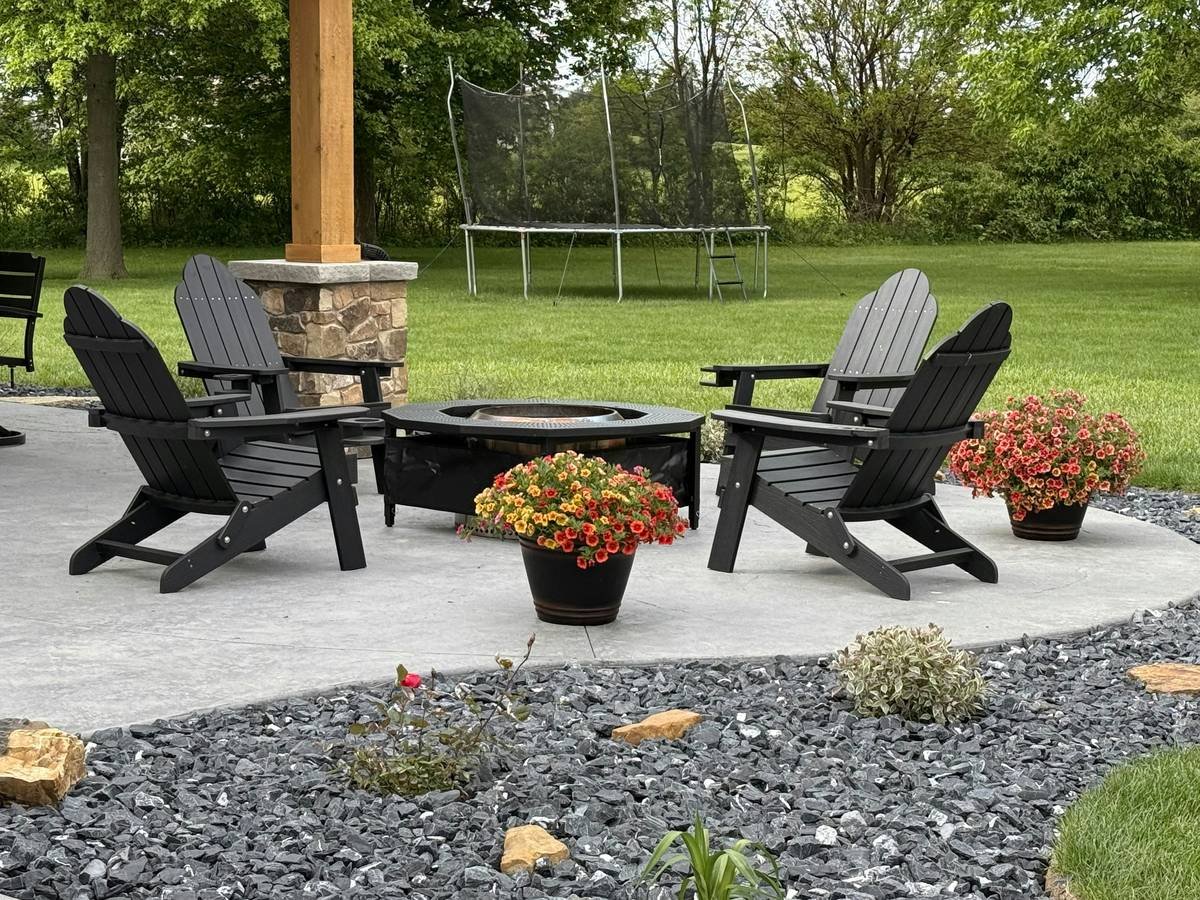
I learned this the hard way. My first DIY attempt used wicker chairs around a repurposed metal drum. After one evening, the wicker near the flame turned crispier than a campfire marshmallow. Lesson? Material matters more than mood lighting.
How to Choose the Right Outdoor Patio Furniture with Fire Pit: A Step-by-Step Guide
Step 1: Decide Between Built-In vs. Modular Sets
Built-in units (like Sunfire or Outland Living) have the fire pit permanently centered within a table or base. Great for low-maintenance folks who hate rearranging furniture quarterly.
Modular sets (think POLYWOOD or Trex) let you move chairs independently while keeping a central fire table. Better for flexible entertaining.
Step 2: Pick Flame-Safe Materials
- Frames: Powder-coated aluminum or stainless steel resist rust and heat warping.
- Tables: Tempered glass or stone composite won’t crack under thermal stress.
- Cushions: Look for Olefin fabric—it’s water-repellent, UV-resistant, and won’t melt near radiant heat.
Step 3: Size It Right for Your Space
Measure your patio first. The rule? Fire pit diameter + 72 inches total clearance (36″ on each side). For example:
– Small balcony (8’x10’): Max 24” fire table with backless benches.
– Medium yard (12’x15’): 36” pit with 4–6 chairs.
– Large deck: Go modular—add loveseats + ottomans radiating outward.
Step 4: Choose Fuel Type Based on Lifestyle
- Propane/Natural Gas: Clean, instant ignition, no ash cleanup. Ideal if you hate lugging wood.
- Wood-Burning: Authentic crackle and scent—but requires ventilation and ember screens. *Check local ordinances first!* (Many cities ban wood pits in dry months.)
7 Pro Tips Most Retailers Won’t Tell You (But Should)
- Never skip the CSA or UL certification. These labels mean the unit passed rigorous safety tests for gas leaks, tip-over stability, and surface temps.
- Add a spark screen even to gas pits. Wind can carry embers onto synthetic fabrics—seen it happen during Santa Ana winds in LA.
- Elevate your burner pan. Sets with recessed pans trap heat and degrade valves faster. Look for models with raised, removable trays.
- Store propane tanks upright outside—not under the table. Heat buildup = pressure risk.
- Use lava rock or ceramic logs, not fake “glass beads.” Beads reflect too much heat upward, scorching chair frames.
- Clean burner ports monthly. Spider webs clog gas lines—a common cause of uneven flames.
- Seasonal cover ≠ optional. UV exposure fades powder coating; rain pools in unsealed bases.
Grumpy You: “Ugh, fine—but only if coffee’s involved.”
Optimist You: “Follow these tips!”
🚫 Terrible Tip Alert
“Just place your existing patio set around a standalone fire pit.” Nope. Standard dining chairs aren’t designed for radiant heat—they’ll warp, fade, or worse, catch fire if made of resin or cheap plastic. Always choose furniture rated for fire pit use.
Real Backyard Transformations That Nailed It
Case Study 1: Urban Rooftop, Chicago
Client: Sarah K., apartment dweller with 10’x12’ rooftop.
Challenge: Needed compact, renter-friendly setup (no permanent installation).
Solution: Used a 30” propane fire table with backless curved benches (Trex Transcend collection). Total footprint: 7’x7’. Result? Hosted 12 friends for Thanksgiving night with zero complaints about cold toes.
Case Study 2: Suburban Oasis, Austin
Client: Mike & Jen, backyard renovators.
Challenge: Wanted wood-burning ambiance but worried about drought restrictions.
Solution: Installed an EPA-certified smokeless Solo Stove Bonfire inside a custom concrete ring, surrounded by modular POLYWOOD Adirondack chairs. Added a retractable canopy for shade control. Post-renovation, they report 3x more weekend gatherings.
FAQs About Outdoor Patio Furniture with Fire Pit
Can I leave my fire pit furniture outside all winter?
Technically yes—if it’s made of all-weather materials like HDPE lumber or marine-grade polymer. But we strongly recommend covering it. Salt air, ice, and freeze-thaw cycles degrade even “weatherproof” finishes over time.
How far should seating be from the fire pit?
The NFPA recommends at least 3 feet (36 inches) between flames and combustibles—including furniture frames and cushions. For comfort and airflow, aim for 42–48 inches. Closer feels cozy; farther feels safe.
Are gas fire pits as warm as wood?
Not quite. Wood burns hotter (up to 1,100°F vs. gas’s 800–1,000°F), but modern high-BTU gas pits (60k+ BTUs) provide ample ambient heat for small groups. Bonus: No smoke means everyone stays cozy without coughing.
Can I cook on my fire pit table?
Only if it’s explicitly designed for cooking (e.g., some BioLite models). Standard fire tables lack proper grates and heat distribution—plus, grease drips damage burners. Stick to roasting marshmallows on skewers held over the flame.
Conclusion
Choosing the right outdoor patio furniture with fire pit isn’t about chasing trends—it’s about building a space that’s safe, enduring, and genuinely inviting. Prioritize certified materials, respect clearance guidelines, and never compromise on fuel type based on your climate. Whether you’re hosting midnight s’mores or solo stargazing, your setup should enhance the moment, not distract from it.
Now go light that match (safely). Your coziest backyard chapter starts tonight.
Like a Tamagotchi, your fire pit needs daily care—or it’ll ghost you by season two.